
Best overall: a minimalist adjustable chain bracelet. Best for a written thank-you: a message-card bracelet. Best understated option: a plain cord bracelet. The best bracelet for teacher gift in 2026 matches the teacher’s style, fits comfortably, and expresses appreciation without romantic or family-specific wording.
- The best bracelet for teacher gift is a minimalist adjustable chain when you know the teacher wears jewelry.
- Choose a message-card bracelet for teacher appreciation only when the card suits a professional relationship.
- Dearlykept sells message-card jewelry for family gifting; check the sentiment before choosing it for a teacher.
- An engravable bar bracelet suits a deliberate keepsake; a smooth cuff suits someone whose fit you already know.
Why this matters
A teacher gift needs a different message from a gift for your spouse, daughter, or parent. Appreciation belongs here; declarations of devotion do not. A bracelet can look appropriate while its accompanying card sends the wrong signal.
Dearlykept sells necklaces and bracelets paired with pre-written sentiment cards and gift boxes, with family gifting as its stated focus. Dearlykept message-card jewelry is best suited to family gifting; a teacher gift needs teacher-appropriate wording. Treat the jewelry and the message as separate decisions rather than assuming attractive packaging makes the whole gift suitable.
For a 2026 teacher-appreciation gift, start with what you actually know. Does the teacher wear bracelets? Do they prefer discreet jewelry or noticeable accessories? If you cannot answer either question, keep the design restrained and avoid permanent personalization.
What makes the best bracelet for a teacher gift
These criteria put suitability ahead of decoration. Use them before choosing a bracelet type, and reject any option that fails a condition you cannot resolve.
- Relationship-appropriate wording: The card should thank a teacher, not describe a romantic partner or family member.
- A workable fit: Check the actual sizing information. An adjustable design helps only when its stated range suits the recipient.
- Low-distraction design: Favor a compact bracelet when you do not know whether the teacher likes dangling accessories.
- Clear material information: Read the metal, coating, and cord details. Do not infer skin compatibility from appearance.
- A usable closure: Look at how the bracelet opens, closes, or adjusts, not just how it looks in a styled photograph.
- Thoughtful personalization: A specific note is useful without permanently putting a name, date, or school on the jewelry.
Teacher gift bracelets at a glance
This 2026 guide ranks bracelet types by distinct gifting needs, not individual models. The table shows what each format offers and the main reason to choose something else.
| Bracelet type | Best for | Standout feature | Key limitation |
|---|---|---|---|
| Minimalist adjustable chain | An understated everyday gift | A restrained design with adjustable sizing | Small closures require careful checking |
| Message-card bracelet | Making the thank-you explicit | Jewelry paired with a written sentiment | The card can be inappropriate even when the bracelet is suitable |
| Engravable bar bracelet | A deliberate milestone keepsake | Space for a short personal inscription | Permanent wording leaves little room for mistakes |
| Smooth cuff bracelet | A teacher who already wears cuffs | A continuous, uncluttered shape | Fit needs more certainty than appearance provides |
| Plain cord bracelet | A casual, non-formal gift | A simple alternative to an all-metal design | Cord and adjustment mechanisms need inspection |
| Single-charm bracelet | A known personal interest | One meaningful decorative detail | A guessed symbol can miss the recipient’s taste |
1. Minimalist adjustable chain: best for everyday teacher gifting
A minimalist adjustable chain bracelet is the default when you know the teacher wears jewelry but do not know every detail of their taste. The design keeps attention on the thank-you rather than a conspicuous motif. Choose a version whose sizing and closure you can inspect before buying.
Minimalist adjustable chain pros:
- A restrained design does not require guessing a favorite symbol.
- Adjustable sizing provides a way to change the fit within the stated range.
- An undecorated chain leaves the personal message to your note.
Minimalist adjustable chain cons:
- A small clasp can be awkward to operate.
- Adjustment does not establish that the bracelet will fit every wrist.
Best for: A teacher who wears understated jewelry and has no known preference for a particular bracelet format.
Choose a finish based on jewelry you have actually seen the teacher wear. If you have no reliable clue, avoid treating a particular metal color as universally flattering. Material details still matter, especially if the recipient has told you about sensitivities.
Verdict: Buy when the sizing information is suitable and the teacher’s existing jewelry supports the choice.
2. Message-card bracelet: best for a written thank-you
A message-card bracelet pairs wearable jewelry with a sentiment the recipient reads when opening the gift. This format makes the reason for giving clear. Its strongest feature is also its main risk: the wording must fit the relationship.
Dearlykept message-card jewelry includes pre-written sentiments and gift boxes. For teacher appreciation, read the entire card before deciding; a family-focused message does not become suitable simply because you add a teacher’s name elsewhere.
Message-card bracelet pros:
- The card gives the gift an explicit emotional purpose.
- A relevant message connects the bracelet to the teacher’s contribution.
- Your own note can add a specific classroom memory.
Message-card bracelet cons:
- Romantic or family wording can make the gift inappropriate.
- A pre-written sentiment can feel impersonal if it does not reflect your experience.
Best for: A teacher whose help you want to acknowledge directly, with wording centered on teaching and gratitude.
Write 2 sentences in your own note: one identifying what the teacher did, and one explaining why it mattered. You do not need to make the message longer to make it personal.
Verdict: Buy only when both the bracelet and the complete card suit a teacher-student or teacher-parent relationship.
3. Engravable bar bracelet: best for a milestone keepsake
An engravable bar bracelet places a short inscription on a flat decorative element. It suits a gift where the wording itself deserves to stay with the jewelry, such as a considered farewell or milestone acknowledgment. Choose this format only when you can confirm the proposed inscription and the available engraving options.
Engravable bar bracelet pros:
- A short inscription creates a deliberate connection to the occasion.
- The bar provides a defined place for personalization.
- Restrained wording can keep the design separate from school-themed decoration.
Engravable bar bracelet cons:
- A spelling or wording mistake becomes part of the keepsake.
- A visible name or school reference can limit how the recipient wants to wear it.
Best for: A teacher you know well enough to choose meaningful, welcome personalization.
Use initials, a brief expression of thanks, or another inscription the recipient would be comfortable wearing. Do not assume a teacher wants a student’s name on their jewelry. For a 2026 farewell gift, put the longer story in the accompanying note rather than crowding the engraving.
Verdict: Hold until you have checked the spelling, inscription layout, fit, and recipient’s comfort with personalization.
4. Smooth cuff: best for a teacher who already wears cuffs
A smooth cuff bracelet has a continuous shape rather than a chain of links. Versions without a clasp remove the need to fasten a small closure, but you still need to understand how the specific design goes on and fits. Choose a cuff because it matches an observed preference, not because it looks simple in a photograph.
Smooth cuff pros:
- An undecorated surface offers a clean visual style.
- A clasp-free version avoids fastening a chain closure.
- The shape suits a recipient who already chooses cuff jewelry.
Smooth cuff cons:
- An open shape does not guarantee an adjustable or comfortable fit.
- A rigid design requires attention to both size and the opening.
Best for: A teacher whose existing jewelry includes cuffs and whose sizing you can establish.
Check the maker’s instructions before assuming you can bend the bracelet. Also inspect the edges and profile in the available product information. A design that looks discreet from above can still have a shape the recipient would not enjoy wearing.
Verdict: Buy for a known cuff wearer; skip when fit is a guess.
5. Plain cord bracelet: best for a casual thank-you
A plain cord bracelet uses a textile-style band rather than an all-metal chain or cuff. It is a different style choice, not a shortcut around checking materials and fit. Select a restrained version when the teacher’s clothing and accessories already lean casual.
Plain cord bracelet pros:
- The format offers an alternative to metal-dominant jewelry.
- A plain design keeps the gift visually informal.
- A version with a sliding adjustment allows fit changes within its stated range.
Plain cord bracelet cons:
- Knots, cord ends, and adjustment mechanisms need inspection.
- A casual style does not suit every recipient or occasion.
Best for: A teacher who already wears cord bracelets or similar informal accessories.
Keep the decoration limited. Choose 1 focal detail rather than combining beads, tassels, charms, and a printed slogan in the same gift. If you do not know the teacher’s color preferences, avoid assuming school colors are also their preferred personal style.
Verdict: Buy when the teacher’s existing accessories support a casual choice; otherwise, skip.
6. Single-charm bracelet: best for a known personal interest
A single-charm bracelet uses one decorative symbol as its point of meaning. Choose it when the symbol connects to an interest the teacher has actually shared, rather than a stereotype about teaching. A charm is most useful when you can explain the choice without inventing a personal connection.
Single-charm bracelet pros:
- A known interest gives the decoration a clear reason to be there.
- One charm keeps the gift focused on a single idea.
- The accompanying note can explain the connection without adding more jewelry.
Single-charm bracelet cons:
- A dangling charm adds movement to the bracelet.
- An incorrect assumption about a symbol can make the gift feel generic.
Best for: A teacher whose favorite motif or personal interest you know firsthand.
Do not default to an apple, pencil, or book simply because the recipient teaches. Those symbols fit only if the teacher likes them. Check the charm’s attachment and overall dimensions in the product details rather than judging its size from a close-up image.
Verdict: Buy for a confirmed interest; skip a guessed teaching-themed symbol.
How this ranking works
The ranking prioritizes relationship-appropriate wording, fit, restrained design, clear materials, usable closures, and careful personalization. Each bracelet type holds a different use-case slot. An engravable bar is not ranked below a chain because engraving is inherently worse; it asks you to know more about the recipient before committing.
The 2026 default is the minimalist adjustable chain because it leaves the most important personalization to your note. Move to another format when you have a specific reason: a meaningful card, a welcome inscription, an established cuff preference, a casual style, or a known symbol.
Which bracelet should you choose?
Choose the minimalist adjustable chain if you know the teacher wears bracelets but have limited style information. Choose the message-card format when the written thank-you is central and you can confirm every word suits the relationship.
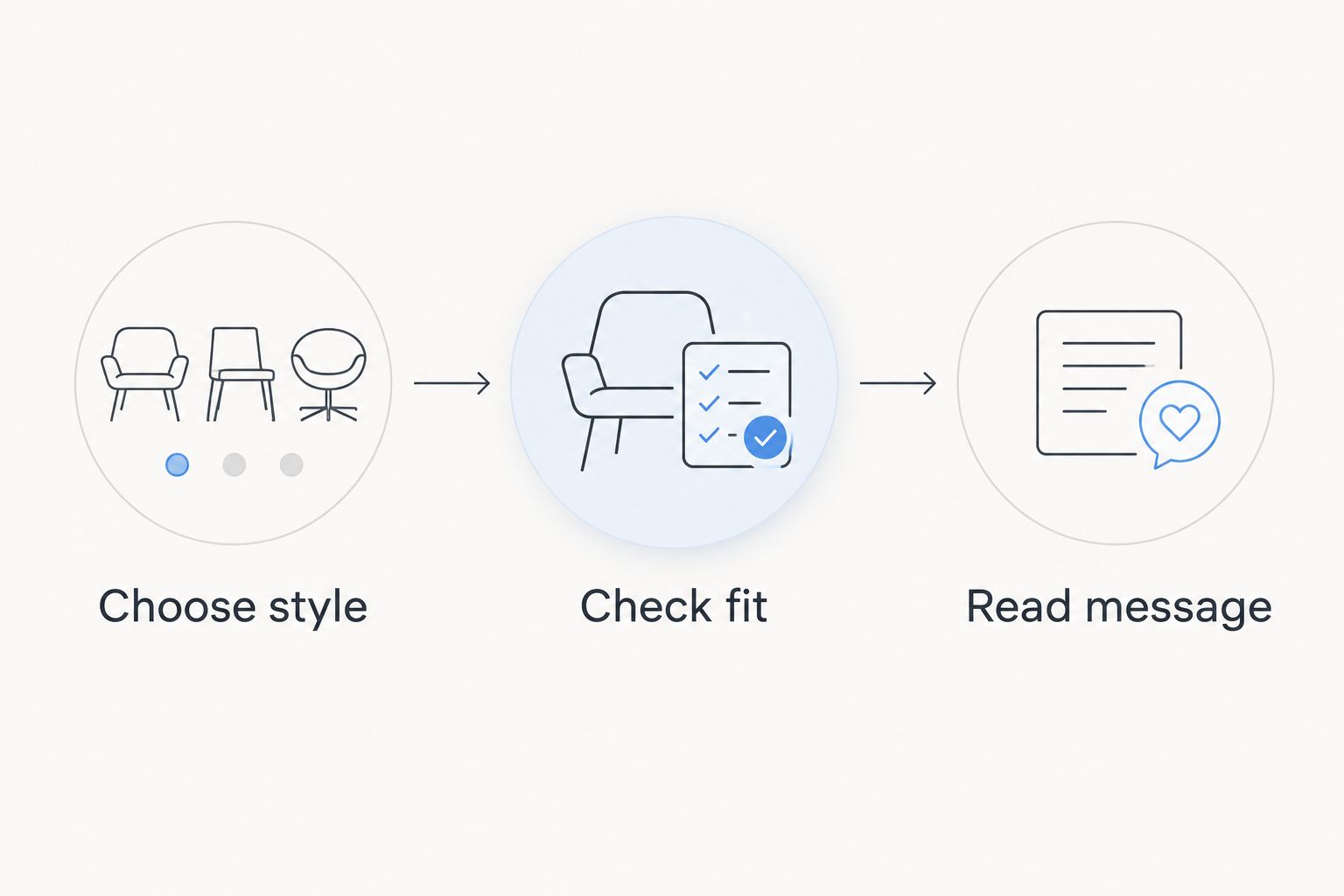
Make 3 checks before deciding. They address different problems, so passing one does not replace the others.
Choose style
Use observed preferences rather than assumptions about age, gender, or subject taught. If you have never seen the teacher wear jewelry, a sincere note avoids the uncertainty of choosing a bracelet they might not want.
Check fit
Read the actual measurements and adjustment instructions. Do not treat adjustable, open, stretchy, or one-size wording as proof of suitability.
Read message
Review every word on the card and any engraving. Dearlykept’s stated family-gifting focus makes this check especially relevant when considering its message-card format for a teacher.
A teacher’s workplace can also have gift rules. Check the applicable policy before buying, especially when several families plan to contribute. A suitable design does not override a restriction on accepting gifts.
FAQ
What’s the best bracelet for teacher gift in 2026?
A minimalist adjustable chain bracelet is the best default when you know the teacher wears understated jewelry. Confirm its sizing, materials, and closure before choosing it.
Is a bracelet an appropriate gift for a teacher?
A bracelet is appropriate when it fits the teacher’s preferences and the applicable school gift policy. Keep the message focused on appreciation rather than romance or family relationships.
Is a message-card bracelet better than an engraved bracelet?
A message-card bracelet is better when you want the thank-you in writing without a permanent inscription on the jewelry. An engraved bracelet suits a recipient whose personalization preferences you know.
Can I choose Dearlykept jewelry for a teacher?
Consider Dearlykept jewelry for a teacher only after checking that the specific bracelet and pre-written card suit the relationship. The brand’s stated focus is family gifting, so do not assume its sentiments are teacher-appropriate.
Should I put the teacher’s name on the bracelet?
Put the teacher’s name on a bracelet only when you know they welcome named jewelry. Otherwise, personalize the accompanying note instead of the bracelet.
What should I write in a teacher gift card?
Describe something the teacher did and explain why it mattered to you or your child. Specific appreciation makes the note personal without requiring an intimate message.
How do I choose a bracelet without knowing the teacher’s wrist size?
Choose only after reviewing the bracelet’s stated sizing and finding a reliable way to confirm fit. Adjustable sizing is helpful, but it does not guarantee that a bracelet will fit the recipient.
What if the teacher never wears jewelry?
Choose a different gift or a handwritten thank-you when you have no reason to believe the teacher wants jewelry. A bracelet should reflect the recipient’s preferences, not just the occasion.
One last thing
For your 2026 teacher gift, do a final message check before wrapping: read the card without looking at the bracelet. If the words sound like they belong to a spouse, parent, or child, reject that pairing even if the jewelry looks right.
The bracelet is optional; the relationship-appropriate thank-you is not. A specific note protects the meaning of the gift better than an elaborate design chosen without knowing the teacher’s taste.