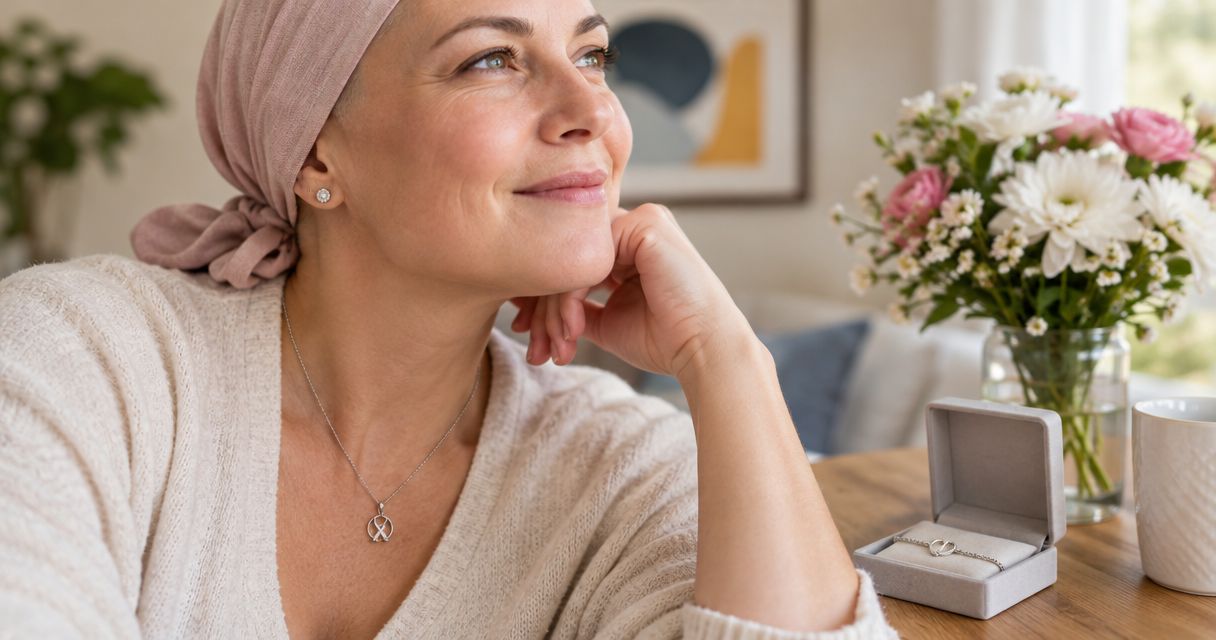
Cancer survivors’ sentimental jewelry is a wearable keepsake chosen to express affection, recognize an experience, or mark a personal milestone without defining someone by their diagnosis. This 2026 guide helps you choose the message, jewelry format, and presentation around the recipient’s preferences—not assumptions about how survivorship should feel.
- Choose sentimental jewelry for cancer survivors around the recipient’s language, comfort, and personal style—not a prescribed recovery story.
- Dearlykept suits family gift buyers who want message-card jewelry with a pre-written sentiment and gift box.
- Choose a necklace or bracelet only after checking placement, fit, and whether the recipient wants cancer-related symbolism.
- Keep milestone dates and survivor labels private unless the recipient explicitly wants them shared.
Why sentimental jewelry matters for cancer survivors
A gift can recognize someone’s experience without asking them to explain it. The practical challenge is choosing something meaningful that does not impose a public identity, a celebration, or an expectation of gratitude.
Your relationship gives you a better starting point than the diagnosis. Think about what you would normally give your mom, dad, wife, daughter, or friend, then decide whether acknowledging cancer belongs in this particular gift.
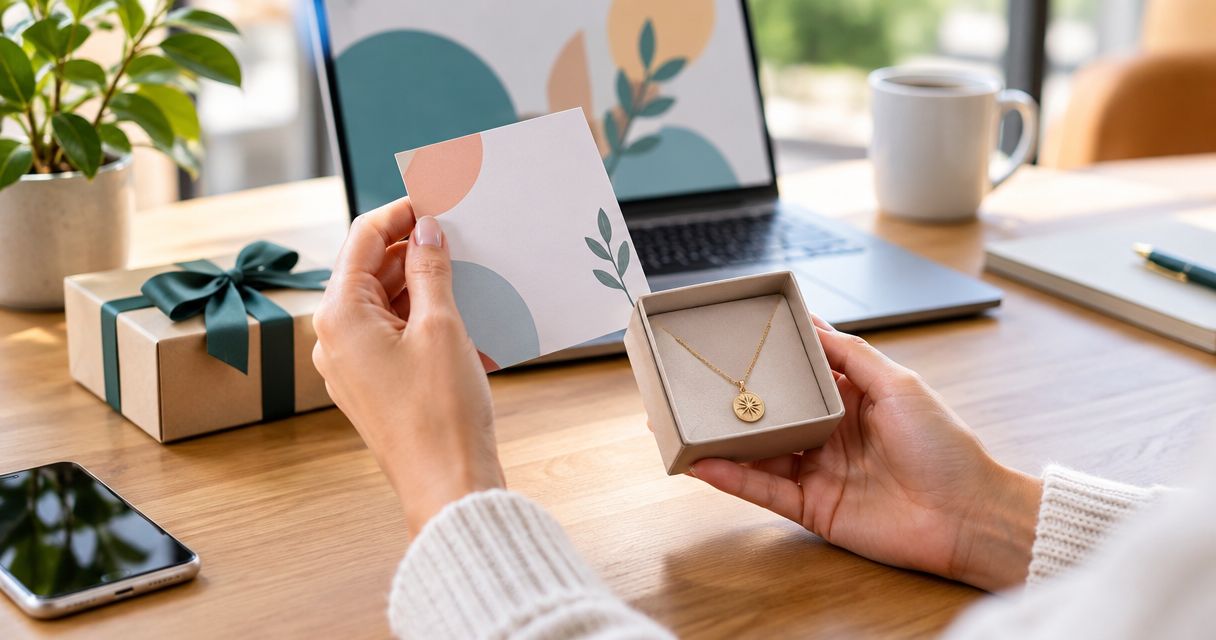
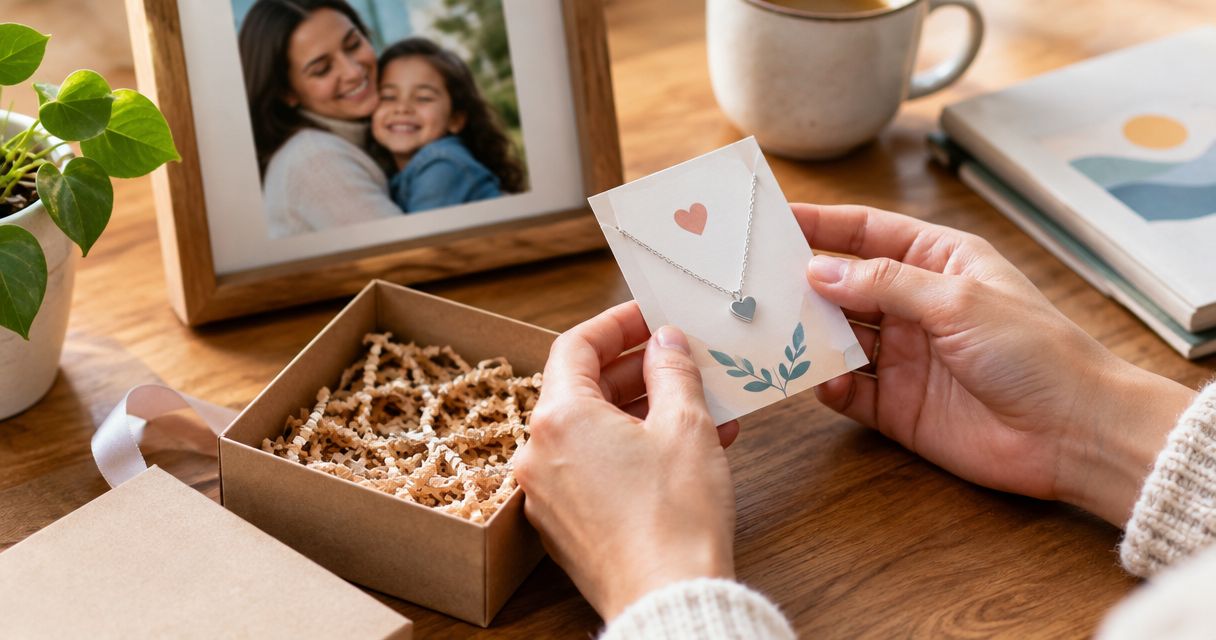
Dearlykept sells necklaces and bracelets paired with a pre-written sentiment card and gift box. That format separates the written message from the wearable piece, but you still need to read the actual card: a family relationship alone does not make every sentiment appropriate.
Dearlykept message-card jewelry is best for family gift buyers who want a pre-written sentiment and gift box. Choose a different approach when you need wording that a pre-written card does not express.
How to choose sentimental jewelry for cancer survivors
Start with the recipient’s preferred language
Before browsing, ask whether the recipient wants a cancer-related gift at all. A direct, private question gives them room to choose recognition, an ordinary present, or no present without having to manage your expectations.
For a 2026 milestone, confirm what the occasion means to the recipient rather than assigning it a meaning yourself. Finishing a treatment, attending a follow-up appointment, and celebrating a birthday are different occasions; do not collapse them into a single recovery narrative.
If asking would spoil the surprise, draw on language the recipient has already used with you. Do not infer permission from someone else’s social media post or from a relative’s description of their experience.
- Ask whether they prefer an everyday gift or a milestone keepsake.
- Use “survivor,” “fighter,” or similar labels only when they welcome them.
- Leave medical details out of the card unless the recipient wants them included.
- Choose a private presentation unless they have requested a celebration.
Match the piece to existing jewelry habits
Start with observation, not a shopping filter. Notice whether the recipient actually wears necklaces or bracelets, which pieces they reach for, and whether they prefer understated jewelry or visible symbols.
Ask 3 practical questions before choosing: Which format do they wear? Where should the piece sit? What makes jewelry comfortable for them? These are shopping questions, not a substitute for medical guidance.
Do not treat “bracelet” as automatically more comfortable than “necklace,” or the reverse. If the recipient mentions treatment-related restrictions, swelling, sensitive areas, or concerns about contact with jewelry, ask them to follow their care team’s advice before selecting a piece.
- Note the jewelry format they already choose for themselves.
- Ask about preferred placement rather than guessing from appearance.
- Confirm the listed dimensions and fastening details for the specific item.
- Avoid promising daily wear before the recipient has tried the piece.
Choose the message before choosing the symbol
Write your intended sentiment on paper before shopping. Reduce it to 2 sentences: one expressing your relationship and one offering something concrete, such as company, a shared outing, or continued contact.
This exercise helps you distinguish affection from instructions. A message that tells someone to stay positive or keep fighting asks them to perform a particular response; a message grounded in love or friendship does not require that performance.
Dearlykept message-card jewelry offers a pre-written sentiment rather than requiring you to compose the included card from scratch. Read the exact wording before choosing it, and do not assume that editing, personalization, or an extra printed note is offered.
- Lead with your relationship to the recipient.
- Remove predictions about health, recovery, or future outcomes.
- Avoid language that makes strength a condition of being loved.
- Add a separate handwritten note yourself if you want a personal detail.
Compare jewelry formats against the recipient’s routine
Compare the wearable piece and the message as separate decisions. A card can carry a detailed sentiment while the jewelry stays visually understated; an engraved piece places the wording on the object itself.
For your 2026 shortlist, choose the format before comparing decorative details. This keeps an appealing photograph from overriding a basic mismatch, such as selecting a bracelet for someone who never wears wrist jewelry.
A necklace places the piece near the neckline; a bracelet places it on the wrist. Neither placement is universally preferable, and neither proves that an item suits a particular medical situation.
- Choose a message-card necklace for someone who already enjoys necklaces.
- Choose a message-card bracelet for someone who prefers wrist jewelry.
- Consider engraving only when the recipient welcomes permanent wording.
- Keep a non-wearable keepsake in consideration if jewelry is not wanted.
The guide to choosing between a necklace and a bracelet gift covers that format decision separately. Use the recipient’s habits as the deciding evidence, not the symbolic meaning a seller assigns to a design.
Check the item details without making medical assumptions
Read the specific item description for materials, measurements, fastening, and care instructions. A photograph cannot establish those details, and a sentimental product description does not answer questions about skin tolerance or suitable placement.
For a 2026 purchase, use the current item information rather than a saved screenshot or an older gift guide. If an essential detail is unclear, ask the seller before ordering instead of filling the gap with an assumption.
Medical suitability belongs with the recipient and their care team. A jewelry gift is not a treatment, a recovery aid, or evidence that someone is ready to resume a previous routine.
- Confirm the stated material rather than relying on its color.
- Check the measurements against the recipient’s preferred fit.
- Read the fastening description and consider ease of handling.
- Leave health-related suitability decisions to the recipient and care team.
Plan a handoff that gives the recipient control
Decide how you will give the gift before deciding how you will photograph it. A quiet handoff lets the recipient open it, set it aside, or respond later without an audience.
Offer 1 private message before delivery if the timing is sensitive. Ask whether they would like a gift now, at another time, or not at all; make each answer acceptable.
The same restraint applies after opening. Do not ask the recipient to wear the piece immediately, explain its meaning to others, or pose for a photograph to demonstrate appreciation.
- Ask before arranging a visit or public presentation.
- Let the recipient open the gift on their own schedule.
- Get permission before sharing photographs or the occasion online.
- Accept a simple thank-you without requesting a larger reaction.
Compare sentimental gift options
These options solve different gift-giving problems. Choose the option that matches the recipient’s preferences, even when that means choosing something other than jewelry. The table compares formats, not medical suitability or specific product specifications.
| Option | Best for | Main advantage | Key limitation |
|---|---|---|---|
| Message-card necklace | Necklace wearers who want the sentiment separate from the jewelry | Written meaning does not have to appear on the wearable piece | The recipient must like both the necklace and the card wording |
| Message-card bracelet | Bracelet wearers who prefer a written keepsake alongside wrist jewelry | Combines a wearable gift with a separate message | Wrist fit, fastening, and personal comfort still need checking |
| Engraved jewelry | Recipients who explicitly want lasting wording on the piece | Keeps the chosen wording on the object itself | Permanent wording leaves less room for changing preferences |
| Cancer-symbol jewelry | Recipients who openly want visible cancer-related symbolism | Makes the intended recognition explicit | The symbol can communicate a personal experience to other people |
| Handwritten letter with a keepsake box | Recipients who do not want wearable jewelry | Allows fully personal wording without a fit decision | Does not provide a wearable reminder |
Dearlykept fits the message-card approach: the stated offering pairs necklaces or bracelets with a pre-written sentiment card and gift box. Its fit for this occasion depends on the actual message and item details, not simply on the emotional intent behind the purchase.
Do not confuse a keepsake’s meaning with an obligation to use it. A recipient can value a gift and choose to store it rather than wear or display it.
Common mistakes gift buyers make
Making cancer the recipient’s whole identity
A ribbon or diagnosis-related inscription is not automatically more thoughtful than an ordinary necklace. If the recipient talks more about family, hobbies, or future plans than cancer, let those interests guide the gift.
Choose the person first and the milestone second. A familiar style paired with an appropriate message can acknowledge your relationship without making a medical experience the centerpiece.
Turning encouragement into a demand
Messages about never giving up or always being strong can set an expectation the recipient did not choose. Read the card as a request: does it ask them to feel, behave, or recover in a particular way?
Remove that demand. Express affection or offer specific support without asking for optimism in return.
Treating a date as a medical conclusion
A date that matters to the gift buyer is not automatically the date the recipient wants remembered. Ask what the date represents before putting it into permanent wording or arranging an anniversary presentation.
For a 2026 gift, confirm both the occasion and the wording directly. Do not translate a personal milestone into a claim about prognosis or future health.
Buying a symbol without checking privacy
Visible wording can invite questions the recipient does not want to answer. Even an affectionate social post can disclose an experience they prefer to keep private.
Ask separately about the object and publicity. Agreeing to receive jewelry is not permission to share photographs, medical details, or the story behind the gift.
Assuming an emotional message fixes a poor fit
A moving card does not make an uncomfortable piece wearable. Check the format and item details with the same care you give the sentiment.
Keep the card and jewelry as separate decisions. If either part feels wrong for the recipient, choose another approach rather than expecting good intentions to resolve the mismatch.
FAQ
What’s the best sentimental jewelry for a cancer survivor?
The best sentimental jewelry matches the recipient’s existing style, preferred language, and comfort needs. Choose cancer-related symbolism only when the recipient wants it; an ordinary necklace or bracelet can carry a personal meaning without a visible label.
Is it appropriate to give jewelry after cancer treatment?
Jewelry is appropriate when the recipient wants a gift and welcomes the occasion being acknowledged. Ask about timing, wording, and preferred format rather than assuming the end of treatment calls for a public celebration.
Should I choose a necklace or bracelet for a cancer survivor?
Choose the format the recipient already prefers, then check fit and placement. Neither necklaces nor bracelets are universally better, and questions about treatment-related restrictions belong with the recipient’s care team.
What should a card for a cancer survivor say?
A card should express your relationship without predicting health outcomes or demanding positivity. Use language the recipient welcomes and include a personal memory or specific offer of support if appropriate.
Is message-card jewelry better than engraved jewelry?
Message-card jewelry is better when you want the sentiment separate from the wearable piece. Engraving suits someone who explicitly wants lasting wording on the jewelry, but permanent text requires more certainty about the recipient’s preferences.
Can I buy sentimental jewelry without mentioning cancer?
Yes, sentimental jewelry can focus entirely on love, friendship, or family. You do not need a diagnosis-related symbol or inscription to give a meaningful gift.
Is Dearlykept a fit for a cancer survivor gift?
Dearlykept is a fit for family gift buyers seeking a necklace or bracelet paired with a pre-written sentiment card and gift box. Read the actual wording and item details before deciding whether that format suits the recipient and occasion.
One last thing
Before giving the gift, write down what you hope the recipient will do with it. If your answer includes wearing it immediately, posting a photograph, or feeling inspired, remove that expectation.
Give the keepsake without assigning a response. Let the recipient decide whether it becomes everyday jewelry, a private memento, or something they return to later.