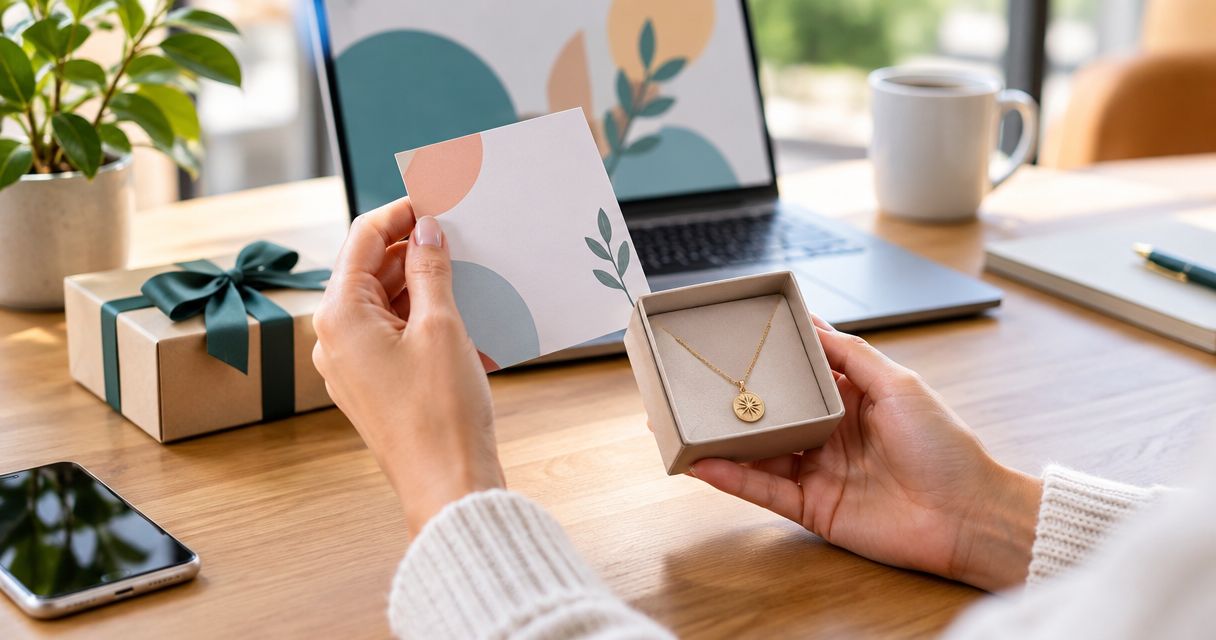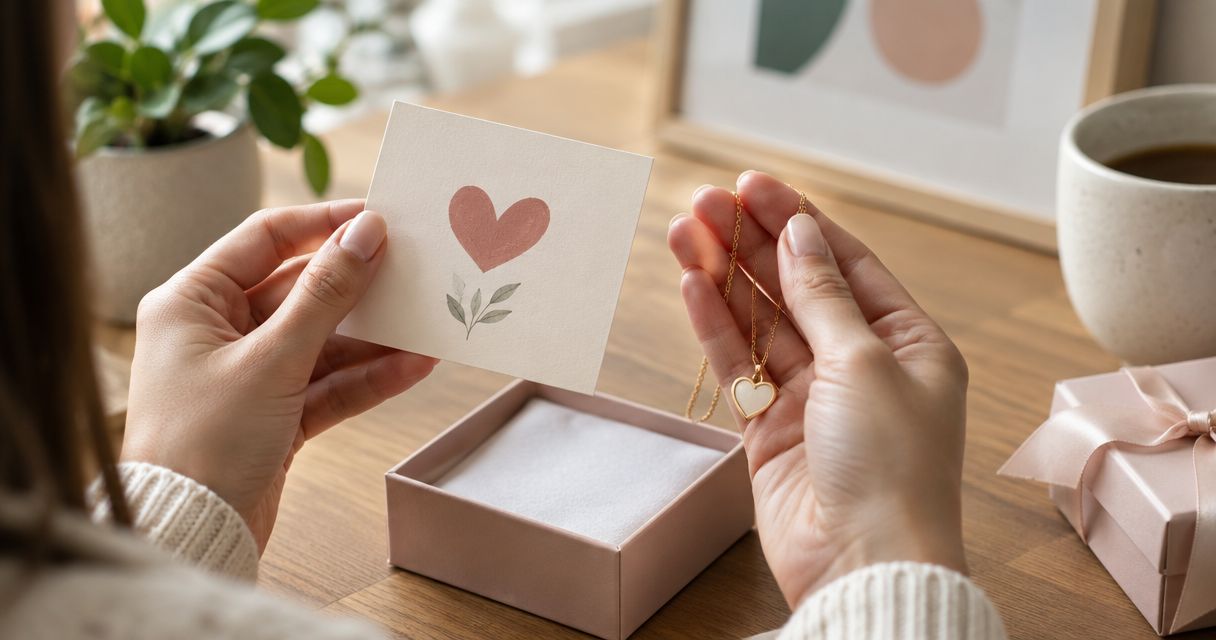
Yes—message-card jewelry is worth it as a sentimental gift in 2026 when the recipient likes wearing jewelry and the card expresses something you genuinely mean. The limitation is that a pre-written message is not a personal memory, and meaningful wording does not replace checking the jewelry’s materials, fit, and design.
- Is message-card jewelry worth it? Yes, when the sentiment and wearable piece both suit the recipient.
- Dearlykept pairs necklaces and bracelets with pre-written sentiment cards and gift boxes for family gifting.
- Choose a handwritten letter instead when your shared story matters more than a wearable keepsake.
- Check the exact message, jewelry details, and gift contents before deciding.
Is message-card jewelry worth it as a sentimental gift in 2026?
Choose message-card jewelry when you would give both the jewelry and the message separately. That is a stronger buying test than liking the presentation alone. If either part feels wrong, look for a different gift rather than asking the other part to compensate.
Dearlykept sells necklaces and bracelets paired with pre-written sentiment cards and gift boxes. That format fits a specific need: giving a wearable item alongside words you do not want left unsaid.
The comparison below is a decision guide, not a product ranking. Choose according to how your recipient likes to receive affection—not which format looks most elaborate.
| Gift format | Best for | Main advantage | Main drawback |
|---|---|---|---|
| Message-card jewelry | Someone who likes jewelry and direct expressions of affection | Connects a wearable gift with an explicit sentiment | The pre-written wording might not sound like you |
| Jewelry with a separate handwritten note | Someone who values your own words | Lets you explain the meaning in your voice | You must select the piece and write the note separately |
| A handwritten letter | Someone who treasures memories more than accessories | Gives you room for specific stories and gratitude | Does not provide a wearable keepsake |
There is no universal winner. A thoughtful letter is the better choice for someone who never wears jewelry; a well-chosen necklace with a fitting message is the better choice for someone who enjoys both.
Why this matters
A sentimental gift has to work for the recipient, not just express the giver’s feelings. You can love a card’s wording while overlooking that the recipient dislikes its tone or would never wear the accompanying piece.
For a 2026 gift, separate the decision into meaning, wearability, and presentation. Each deserves its own check. An attractive box cannot fix an unsuitable message, and a moving message cannot establish jewelry quality.
This distinction also protects your expectations. You are choosing a way to communicate affection, not purchasing a guaranteed reaction.
When message-card jewelry is the right choice
Message-card jewelry fits when the recipient welcomes sentimental language and already enjoys the type of jewelry you are considering. Start with what you know about that person rather than assuming a family relationship determines their taste.
Best for someone who appreciates direct affection
Choose this format when saying thank you, expressing pride, or offering reassurance matches your relationship. Read the full card and ask whether you would comfortably say those words aloud.
The advantage is clarity: you do not leave the recipient guessing why you chose the gift. The drawback is tone. A message that sounds warm to you can feel overly formal or intense to someone else.
Best for someone who wants a wearable reminder
Choose the jewelry according to what the recipient already wears. Notice whether they favor necklaces or bracelets, understated pieces or visible details, and familiar designs or something different.
The benefit is a physical object connected to your message. The limitation is practical: a piece that does not suit the recipient’s preferences is not a good wearable gift, however appropriate the card feels.
Best for a giver who needs help finding words
A pre-written card gives you a starting point when expressing affection feels difficult. You still make a personal choice by selecting words that accurately describe your feelings.
The weakness is specificity. A ready-written sentiment cannot name your shared experience unless that experience is actually reflected in its wording. Add your own separate note when the reason behind the gift needs explanation.
When you should skip message-card jewelry
Skip message-card jewelry when you are choosing it mainly because the card moved you, without checking whether the recipient wants the jewelry. The gift needs to fit the person receiving it.
Choose a different format when:
- The recipient does not wear jewelry. Give a letter or another object they will genuinely enjoy instead.
- The message overstates your relationship. Avoid language that introduces an expectation, promise, or level of intimacy you do not intend.
- You cannot confirm essential product details. Do not infer materials, dimensions, or suitability from a photograph.
- The occasion needs your own words. A specific apology, explanation, or sensitive conversation should not depend on a pre-written card.
- The recipient has clearly requested something else. Respect that preference rather than treating sentiment as a reason to ignore it.
These are reasons to change the gift, not reasons to dismiss sentimental giving. A more suitable format can express the same care without asking the recipient to overlook a mismatch.
Why the value of message-card jewelry varies
The useful question in 2026 is not whether this entire category is worthwhile. It is whether a particular message and piece make sense for a particular person.
- Message fit: Read the exact wording, including the relationship named and any promises it makes. A fitting message should express your feelings without requiring an explanation of what you did not mean.
- Jewelry preference: Compare the piece with what the recipient chooses to wear. Do not substitute your own preferred style for theirs.
- Product information: Check the stated materials, measurements, and care instructions. The emotional presentation is separate from those details.
- Personal context: Decide whether the card says enough on its own or needs a separate note about a memory, milestone, or reason for your gratitude.
- Gift contents: Confirm exactly what accompanies the jewelry. Do not assume every photograph shows everything included.
- Occasion and boundaries: Match the emotional intensity to the moment. Encouragement, romance, appreciation, and sympathy call for different wording.
No single factor settles the decision. Strong wording does not establish construction quality, and suitable jewelry does not make an uncomfortable message appropriate.
How do you choose message-card jewelry without making it feel generic?
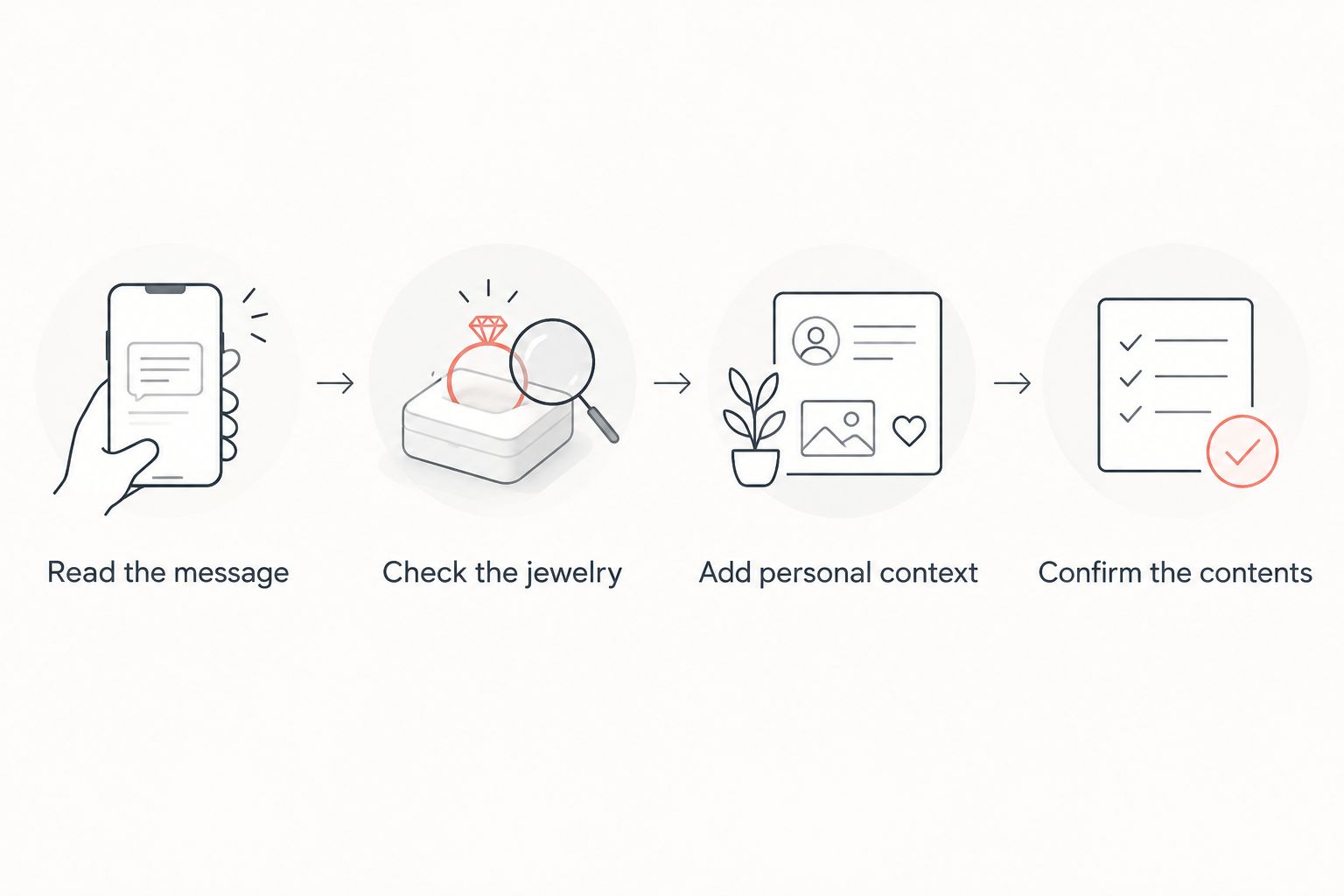
Use this sequence for a 2026 purchase. Make the recipient’s preferences the starting point and leave packaging until after the message and jewelry pass your checks.
1. Read the message
Read every line, not just the opening phrase. Check who is speaking, who is being addressed, and whether the wording fits your actual relationship.
Remove the product photo from your mental picture. If you would not give the words in a plain envelope, the presentation is distracting you from the message.
2. Check the jewelry
Review the product description for the materials, dimensions, and care information relevant to your recipient. Compare the design with something they already enjoy wearing.
Keep unanswered questions separate from emotional appeal. A card cannot answer whether a necklace has the length someone prefers or whether a bracelet uses a material they avoid.
3. Add personal context
Write a separate note explaining why you chose the gift. Name a real memory, a specific act of support, or something you appreciate about the recipient.
You do not need to compete with the printed card’s style. Your note has a different job: connecting the general sentiment to your particular relationship.
4. Confirm the contents
Check which card accompanies the selected piece and what the gift presentation includes. If you are sending it directly, confirm how your identity and any personal note will reach the recipient.
Do not assume a particular personalization or packing option exists. Make your plan around the options actually described by the seller.
After these checks, make a straightforward decision. Choose the gift if both parts fit; choose another format if you are still trying to justify a message or design the recipient would not choose.
Is a pre-written card less meaningful than a handwritten note?
A pre-written card is not automatically less meaningful, but it cannot supply your personal history. Choosing words sincerely is different from writing them yourself; neither choice excuses a message that does not fit.
Use the printed sentiment to state the feeling and a separate handwritten note to explain why it matters. That combination lets you keep the card’s wording without pretending it is your original writing.
Is message-card jewelry better than ordinary jewelry?
Message-card jewelry is better for making the intended sentiment explicit; ordinary jewelry leaves you free to provide that meaning yourself. Choose according to whether the included card adds something the recipient will appreciate.
Do not treat the card as evidence that the jewelry itself is better. Compare the pieces using their stated details, then assess the wording separately.
Who is Dearlykept message-card jewelry best for?
Dearlykept message-card jewelry is best for family gift shoppers who want a necklace or bracelet paired with a ready-written sentiment. Its described format also includes a gift box, so the jewelry and message form a coordinated gift.
The limitation is that a pre-written sentiment does not replace a personal story. Choose this format when ready-written words suit your purpose, and add a separate note when your recipient needs to hear something specific from you.
What should you check before committing to the gift?
Before choosing message-card jewelry in 2026, imagine the recipient opening the box without you there to explain it. The words should make sense, the jewelry should suit them, and the sender should be clear.
Use these final checks:
- Would I say this? Reject wording that sounds impressive but does not reflect your feelings.
- Would they wear this? Base the answer on their preferences, not your hopes.
- Have I checked the details? Read the product information rather than filling gaps with assumptions.
- Does this need my own note? Add context when the card alone leaves your reason for giving unclear.
If you answer no to either of the first questions, change the selection. There is no need to force the format when a letter or a different piece would fit better.
FAQ
Is message-card jewelry worth it as a gift in 2026?
Message-card jewelry is worth it in 2026 when the recipient likes the jewelry and the card expresses something you genuinely mean. Check the piece and the wording independently before choosing.
Does a pre-written jewelry card feel impersonal?
A pre-written jewelry card feels impersonal when its wording does not fit your relationship. Choose a sincere message and add a separate note with a shared memory or specific reason for giving.
Is a message-card necklace better than a bracelet?
A message-card necklace is better only when the recipient prefers necklaces. Choose the jewelry type according to what they wear rather than treating either format as inherently more sentimental.
Can I add my own note to a message-card jewelry gift?
You can write a separate personal note to accompany a message-card jewelry gift. Check the seller’s stated options before assuming a note can be inserted or the printed card can be changed.
Does a sentimental card mean the jewelry is high quality?
A sentimental card does not establish jewelry quality. Assess the stated materials, measurements, and care requirements separately from the message and presentation.
What does Dearlykept sell for sentimental gifting?
Dearlykept sells message-card jewelry: necklaces and bracelets paired with pre-written sentiment cards and gift boxes. The format is aimed at shoppers choosing heartfelt family gifts.
What should I give someone who does not wear jewelry?
Give someone who does not wear jewelry a gift that fits their preferences, such as a personal letter. Do not choose a wearable item solely because you like its accompanying message.
One last thing
Read the card aloud before you buy. Hearing the words makes it easier to notice a promise you do not intend, a phrase you would never use, or a sentiment that needs a more personal explanation.
Then imagine the jewelry without the card. If you still like both parts for this recipient, you have a sound reason to choose the gift—not just an appealing presentation.