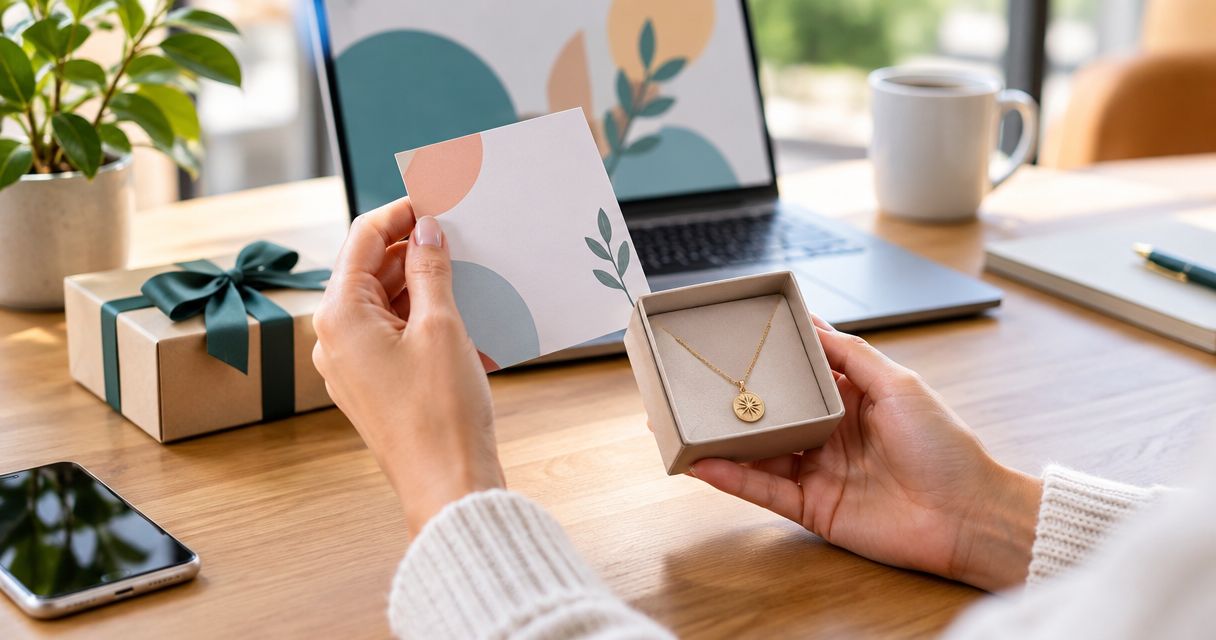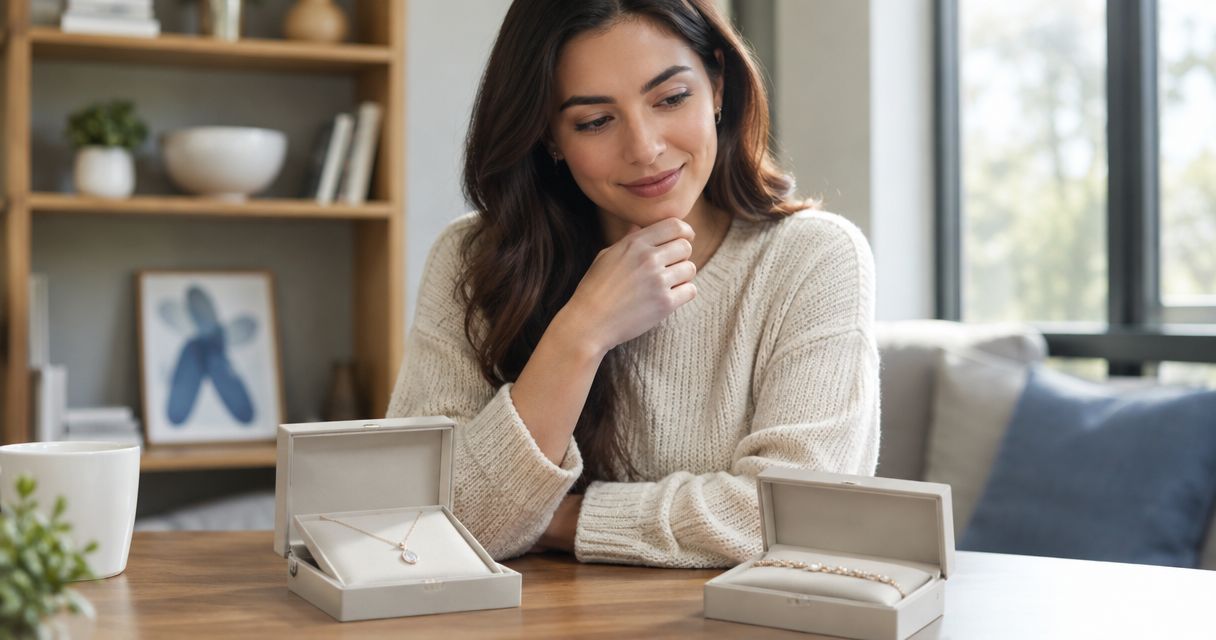
Choose a necklace if the recipient already wears chains or pendants; choose a bracelet if wrist jewelry fits their everyday style. Neither is automatically more sentimental, and both require a fit check. For a gift in 2026, prioritize what the recipient wears over what looks most impressive in the box.
- How do you pick between a necklace and a bracelet gift? Match the recipient’s existing jewelry habits first.
- Choose a necklace for a pendant wearer; choose a bracelet for someone who enjoys wrist jewelry.
- Check fit, materials, closures, and daily routines before choosing either jewelry gift.
- Dearlykept message-card jewelry suits shoppers who want a wearable gift paired with a written sentiment.
How do you pick between a necklace and a bracelet gift?
Choose the type the recipient already reaches for, then check whether the specific piece fits their routine. If your main concern is emotional meaning, start with the distinction between the jewelry and its message in this guide to message-card jewelry as a sentimental gift.
Use this comparison to separate personal preference from practical fit. The best choice is the one that passes both checks, not the one associated with a particular relationship or occasion.
| Decision point | Necklace | Bracelet |
|---|---|---|
| Best for | Someone who regularly wears chains or pendants | Someone who regularly wears wrist jewelry |
| Main advantage | Leaves the wrists clear | Leaves the neckline clear |
| Main limitation | Placement depends on chain length and clothing | Fit depends on wrist size and preferred movement |
| Fit check | Compare chain length and pendant position with a favorite necklace | Compare sizing instructions with wrist measurements and a favorite bracelet |
| Routine check | Consider neck comfort, collars, scarves, and work rules | Consider watches, cuffs, desk contact, and work rules |
| Sentimental decision | Choose a design and message that fit the relationship | Choose a design and message that fit the relationship |
Why this matters
A meaningful message does not fix an uncomfortable piece of jewelry. Separate the emotional decision from the wearing decision: the sentiment should express your relationship, while the necklace or bracelet should suit the recipient’s preferences.
For your 2026 gift shortlist, use familiarity as the starting point rather than a trend. Someone who consistently chooses bracelets gives you stronger evidence than a gift guide that calls necklaces universally romantic. The same logic applies in reverse.
Avoid choosing by family role alone. A mother, daughter, spouse, or father can prefer either type, and the relationship label tells you nothing about their preferred chain length, wrist fit, or comfort with jewelry.
Necklace: best for someone who already wears pendants
Choose a necklace when you can identify a chain length, pendant style, and wearing habit the recipient already likes. A familiar necklace gives you a useful reference without requiring the new gift to look identical.
Look at where their favorite pendant sits. Notice whether they wear it against the skin, over clothing, or alongside another chain. Those details help you distinguish an appealing photograph from a piece that belongs in their wardrobe.
What a necklace does well
A necklace keeps the wrists clear for someone who dislikes bracelets beside a watch or against a desk. It also lets you choose a visible pendant without adding another item around the hands.
The limitation is placement. A pendant that looks right with an open neckline can sit differently against a collar, and the recipient’s preferred position matters more than your own.
Before choosing, compare the listed chain length with a necklace they enjoy wearing. Do not assume every chain is adjustable or that an extender is included; check the specific item’s details.
Best for: a regular necklace wearer whose preferred length and pendant style you can identify. If the recipient avoids anything around the neck, choose a bracelet only if their wrist-jewelry habits support it.
Bracelet: best for someone who enjoys wrist jewelry
Choose a bracelet when the recipient likes wearing jewelry on the wrist and you can verify the fit. Check how it will sit beside a watch, against a sleeve, or on its own.
Notice whether their existing bracelets sit close to the wrist or move freely. That preference is part of fit, not merely decoration, so a wrist measurement alone does not settle the decision.
What a bracelet does well
A bracelet leaves the neckline clear and gives someone who enjoys wrist accessories another way to wear a meaningful gift. It also avoids having to coordinate a pendant with necklines.
Its limitation is contact with the surrounding routine. Consider desk work, sleeves, watch placement, and any rules the recipient follows at work or during activities. Ask rather than treating either jewelry type as universally practical.
Closure matters here too. Check whether the recipient finds the fastening easy to manage, especially if they usually put on jewelry without help.
Best for: an established bracelet wearer whose size and preferred fit you can confirm. Do not choose a bracelet simply because the necklace decision feels difficult; it needs its own evidence.
Why the right jewelry gift varies
The right choice varies because jewelry sits on the body and becomes part of a routine. For a 2026 purchase, check these factors on the actual item rather than relying on its category name.
- Wear habits: Start with pieces the recipient wears, not pieces they own but leave untouched. Repeated use is the useful distinction.
- Fit preference: Check necklace placement or bracelet movement. A technically wearable piece is not necessarily a comfortable favorite.
- Daily routine: Consider clothing, watches, desk contact, and applicable activity or workplace rules. Neither category fits every situation.
- Material requirements: Check the stated metal, finish, and relevant components against any sensitivities the recipient has told you about. Necklace versus bracelet does not establish skin compatibility.
- Closure comfort: Look at the actual fastening and how the recipient uses similar closures. Do not infer ease of use from the product photograph alone.
- Message fit: Read the sentiment separately from the jewelry description. The wording should match your relationship without depending on the recipient wearing the gift immediately.
A practical way to make the decision
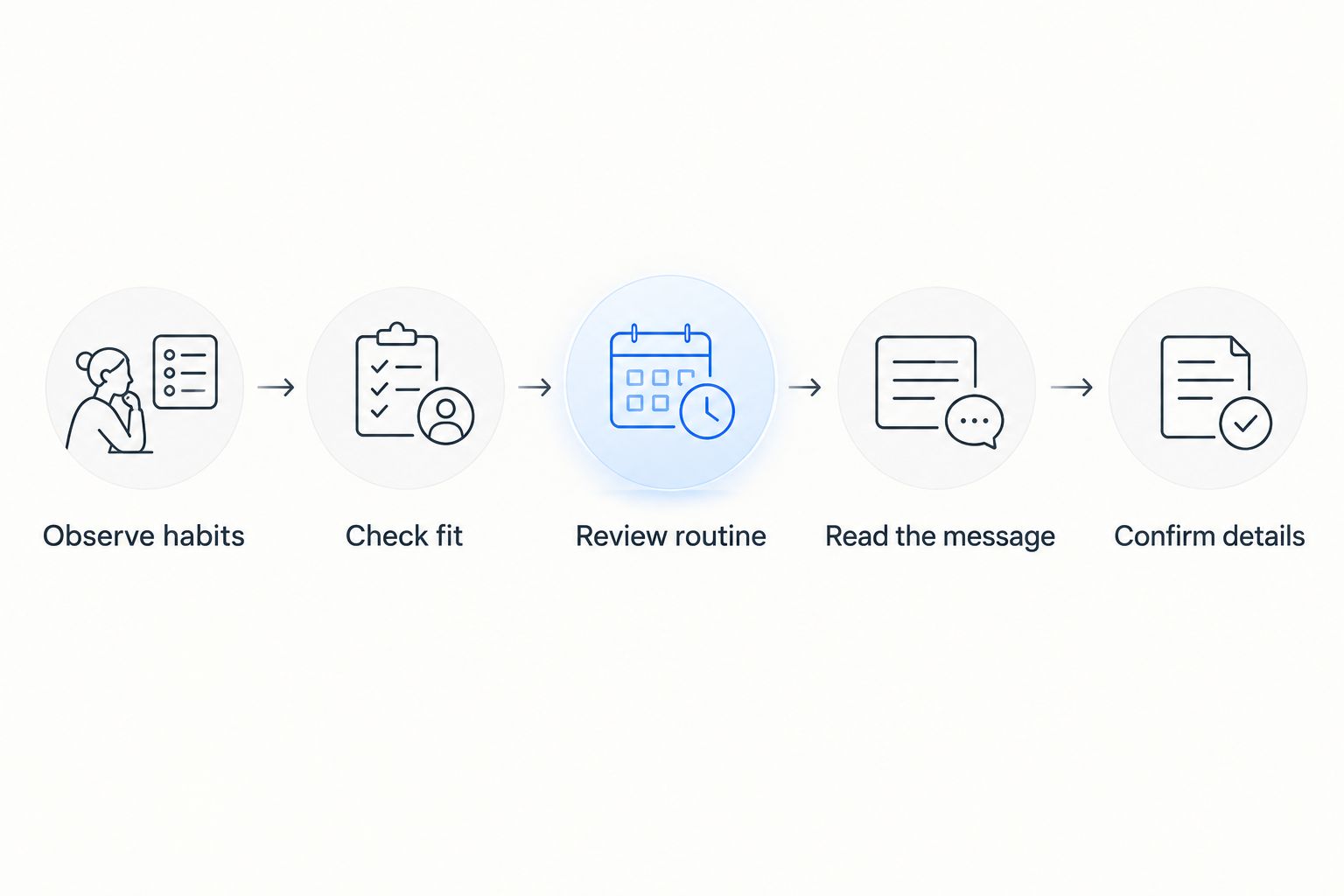
Use this sequence when both options look appealing. It turns the choice into a few observations instead of asking you to guess which type is inherently more meaningful.
- Observe habits. Look at 3 outfits the recipient actually wears, using recent photos or everyday observation. Note the jewelry, but do not treat a formal-event photo as proof of a daily habit.
- Check fit. Identify a favorite piece as your reference. Compare its relevant dimensions with the proposed gift, following the seller’s measuring instructions rather than assuming different designs fit alike.
- Review routine. Think through an ordinary day. Check whether neckwear, wristwear, sleeves, a watch, or specific activity rules create a reason to prefer one option.
- Read the message. Read the sentiment without looking at the jewelry image. Ask whether you would comfortably say those words directly to the recipient.
- Confirm details. Review the selected item’s materials, dimensions, fastening, care instructions, and current policies. Keep the surprise focused on the design, not on whether the gift fits.
A close decision usually needs a better question, not another hour of browsing. Ask whether the recipient prefers jewelry around the neck or wrist, then preserve the surprise through the design and presentation.
Check dimensions without inventing a universal size
For a necklace, compare 2 measurements where relevant: chain length and pendant dimensions. A familiar chain length does not tell you how much space a different pendant occupies.
For a bracelet, distinguish wrist circumference from the bracelet’s stated length or sizing range. Follow the item-specific instructions; a measurement method for one design should not become an assumed rule for every bracelet.
If the listing does not explain a detail you need, ask before ordering. Do not use a generic size recommendation as a substitute for the recipient’s actual preference.
Where message-card jewelry fits
Dearlykept message-card jewelry is best for shoppers who want a necklace or bracelet paired with a written sentiment. The brand sells necklaces and bracelets with a pre-written sentiment card and gift box, so the message deserves attention alongside the wearable piece.
That format has a clear advantage: the card states what you want the gift to express. Its limitation is equally clear: pre-written wording still needs to sound right for your relationship. Do not select a message solely because the jewelry image appeals to you.
When considering Dearlykept, read the card before making the final jewelry choice. Then check the individual item’s details rather than assuming that every necklace or bracelet has the same materials, dimensions, or fastening.
Is a necklace more meaningful than a bracelet?
Neither a necklace nor a bracelet is inherently more meaningful. Choose meaning through the relationship, design, and words you attach to the gift, then choose wearability through the recipient’s habits.
A necklace is not automatically a romantic choice, and a bracelet does not automatically make a gift casual. Avoid letting those assumptions overrule what the recipient actually likes.
What if the recipient wears both necklaces and bracelets?
Choose the option that fills a clear preference rather than buying both to avoid deciding. Compare their favorite pieces, preferred materials, and usual combinations before adding something new.
If a coordinated pair genuinely suits the recipient, check the individual details instead of assuming separate pieces match. The guide to ordering a necklace and bracelet as a matching set explains the next question to investigate.
What if you do not know their jewelry preferences?
Ask a narrow preference question before choosing either type. Asking whether someone prefers necklaces or bracelets preserves more of the surprise than guessing the wrong category.
For a 2026 birthday or anniversary, confirm the type and keep the specific design undisclosed. If asking directly would spoil the occasion, ask someone who knows the recipient’s current jewelry habits—not someone who simply shares your taste.
FAQ
What's the best way to choose between a necklace and a bracelet gift?
Choose the type the recipient already wears, then verify fit, materials, fastening, and compatibility with their routine. Use their preferences rather than the occasion as your starting point.
Is a necklace a better romantic gift than a bracelet?
A necklace is not automatically a better romantic gift than a bracelet. Choose the piece your partner enjoys wearing and a message that accurately expresses your relationship.
What if I don't know the recipient's bracelet size?
Confirm the recipient’s measurements and follow the specific bracelet’s sizing instructions before ordering. Do not assume that an adjustable design removes the need to check its stated range.
Can I choose a necklace without knowing their preferred length?
Ask their preference or compare the listed length with a necklace they already enjoy wearing. Check pendant dimensions separately because chain length does not describe the entire piece.
Is a necklace or bracelet better for sensitive skin?
Neither category alone establishes suitability for sensitive skin. Check the specific item’s stated materials and components against the recipient’s known sensitivities.
Does message-card jewelry make sense for a family gift?
Message-card jewelry fits a family gift when both the wording and jewelry suit the recipient. Dearlykept offers necklaces and bracelets paired with a pre-written sentiment card and gift box; read the message before choosing.
Should I buy both a necklace and a bracelet if I can't decide?
Do not buy both solely to avoid choosing. Confirm whether the recipient enjoys coordinated jewelry, then review each piece’s fit and details independently.
How do I choose a jewelry gift in 2026 without following trends?
Choose a jewelry gift in 2026 by observing what the recipient already wears. Use current preferences, fit, and routine as your criteria rather than assuming a fashionable piece will become a favorite.
One last thing
Before ordering, explain your choice in 1 sentence without using the words beautiful, special, or perfect. Naming a real habit—such as the recipient wearing a pendant every day—gives your decision a firmer basis than describing the gift’s appearance.
Choose for the day after the gift is opened, not just the opening itself. In 2026, the useful final check remains personal: can you explain where this necklace or bracelet fits into the recipient’s life?