Best overall: a memory box with a handwritten keepsake card. Best wearable option: message-card jewelry with wording that fits the loss. Best for sharing a specific memory: a framed photograph with a personal note. This 2026 guide ranks sympathy gifts by how well they preserve a connection without asking the recipient to display, wear, or explain their grief.
- For best sympathy gifts keepsake ideas, choose a memory box and a handwritten card as the default.
- Dearlykept message-card jewelry suits jewelry wearers when the pre-written sentiment fits their relationship and loss.
- A framed photograph works best when you know the recipient welcomes that particular image.
- Avoid promises about healing, assumptions about faith, and gifts that require an immediate response.
Why this matters
A sympathy gift serves a different purpose from a birthday present. The object gives someone a place to keep a connection; the card explains why you chose it. Neither needs to make grief feel better on demand.
Dearlykept sells necklaces and bracelets paired with a pre-written sentiment card and gift box. That format belongs in this comparison, but a sympathy gift needs more than an affectionate message: its wording must suit the person receiving it.
Choose the card before you choose the object. A thoughtful keepsake with an unsuitable message loses the meaning you intended.
What makes the best sympathy keepsake gift?
Use these criteria to choose a sympathy keepsake in 2026. Emotional fit comes before presentation.
- Relevant wording: The card acknowledges the loss without prescribing how the recipient should feel.
- Personal connection: The gift connects to a person, memory, or relationship rather than a generic expression of sadness.
- Recipient control: The recipient can keep the object privately, display it, or put it away without explanation.
- Low effort: The gift arrives ready to keep. It does not assign a project or require a reply.
- Suitable permanence: The object preserves something the recipient wants to retain, without creating an unwanted storage burden.
- Respect for beliefs: Religious language belongs only where you know it matches the recipient's beliefs.
A useful card can be as short as 3 sentences: acknowledge the loss, share a specific memory, and remove any expectation of a response. That is a writing structure, not a requirement to compress a meaningful letter.
Sympathy keepsake gifts at a glance
These are gift formats, not named product recommendations. Each earns a separate use-case slot, so you can choose by the recipient's preferences rather than treat the ranking as a universal answer.
| Rank and gift | Best for | Standout feature | Key limitation |
|---|---|---|---|
| 1. Memory box with handwritten card | Keeping different mementos privately | Holds the card alongside meaningful objects | Can create storage or sorting work |
| 2. Framed photograph with keepsake card | Preserving a welcomed shared memory | Gives a specific memory a visible place | Displaying the photograph can feel too immediate |
| 3. Message-card jewelry | Someone who already enjoys wearing jewelry | Pairs a wearable object with a written sentiment | Pre-written wording needs careful review |
| 4. Handwritten remembrance letter | Someone who values words over objects | Preserves your account of the person who died | Requires genuine memories and careful writing |
| 5. Pressed-flower keepsake with card | Someone with a meaningful flower connection | Preserves a botanical reminder | Flowers can be delicate and symbolism is personal |
| 6. Memory notebook with an opening card | Someone who already likes recording memories | Leaves room for memories gathered over time | Can feel like an assignment if presented badly |
1. Memory box: best sympathy keepsake for private remembrance
A memory box gives the recipient somewhere to keep a card, photographs, letters, or small objects. It does not require those items to be arranged for display. That makes it the strongest default when you know a keepsake is welcome but do not know whether visible reminders are welcome.
Give the box with your card inside rather than asking the recipient to fill it. If you already have a meaningful item that belongs to them, ask before including it; ownership and privacy matter more than completing the presentation.
Memory box pros:
- Keeps the sympathy card alongside related mementos.
- Lets the recipient decide what belongs inside.
- Supports private remembrance without a visible display.
Memory box cons:
- Takes up space even when left empty.
- Sorting belongings into it can become an emotional task.
Best for: Someone who wants a private place for different reminders of the person who died.
For a 2026 remembrance gift, keep the outside understated unless you know the recipient wants a visible dedication. Avoid adding a name, date, or inscription without confirming the details and their preference.
Verdict: Buy a memory box when a private keepsake is welcome; skip it when storage or sorting would add a burden.
2. Framed photograph: best sympathy keepsake for a shared memory
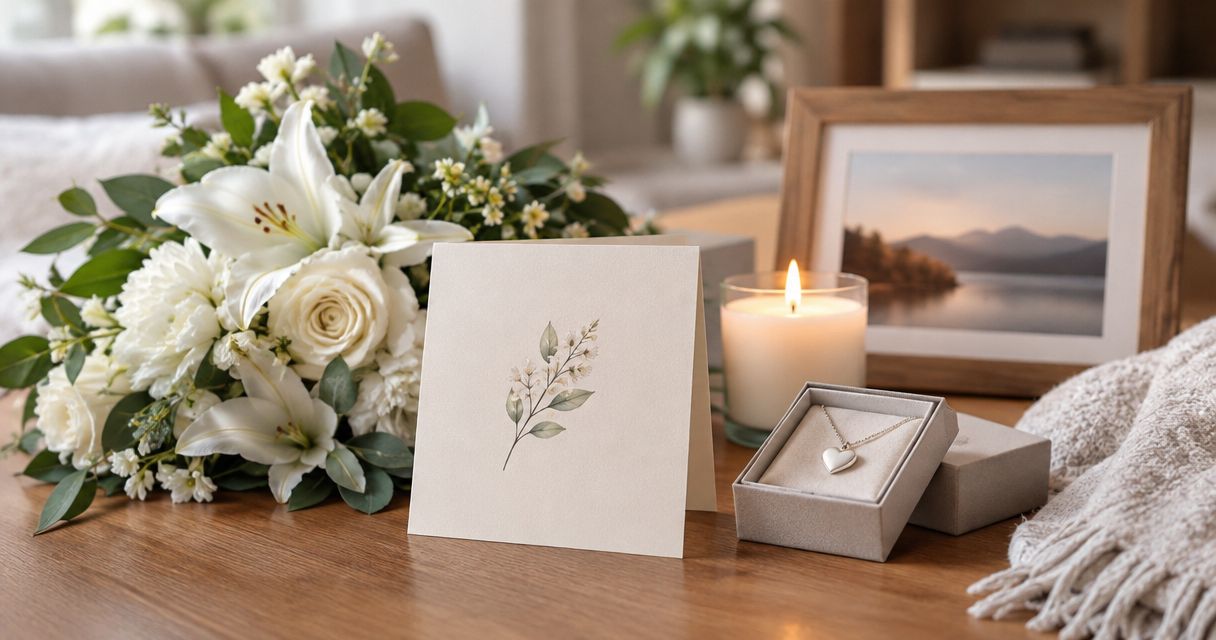
A framed photograph makes a specific memory the center of the gift. The accompanying card can explain where the photograph came from and what you remember about that moment. Choose an image the recipient welcomes, not simply the most formal portrait you can find.
Start with 1 photograph that has a clear connection to the recipient. A familiar everyday scene can give you more to say than a posed image whose history you do not know.
Framed photograph pros:
- Connects the gift to an identifiable person and moment.
- Gives the card a concrete memory to describe.
- Does not require the recipient to create a display from scratch.
Framed photograph cons:
- A visible reminder can feel unwelcome at that time.
- The wrong image can bring up memories you do not understand.
Best for: Someone who has expressed appreciation for a particular photograph or shared memory.
Ask whether they would like a copy before framing a private or sensitive image. You can also offer the photograph without a frame, leaving the decision about display entirely with them.
Verdict: Buy a framed photograph when the image is welcome; wait when you do not know how the recipient feels about displaying it.
3. Message-card jewelry: best sympathy keepsake for jewelry wearers
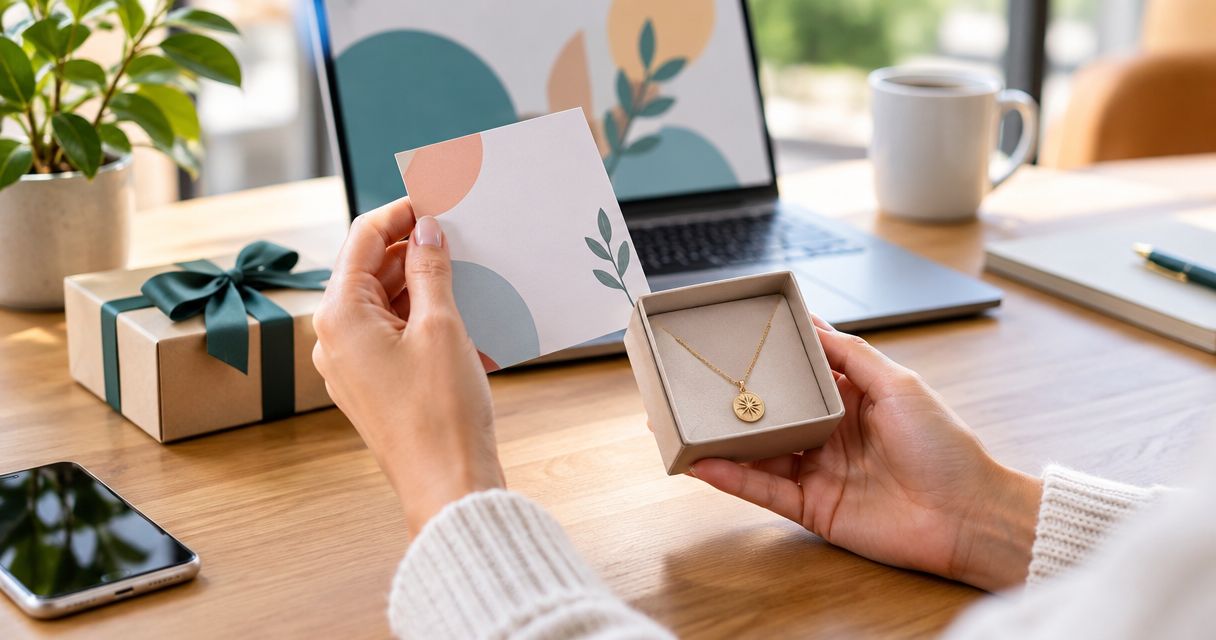
Message-card jewelry pairs a necklace or bracelet with a written sentiment. Dearlykept offers this format with a gift box, making the card part of the gift rather than an afterthought. For sympathy gifting, the message must acknowledge your relationship without implying that the jewelry itself is a memorial design.
Dearlykept message-card jewelry is best for jewelry wearers when the pre-written sentiment fits the relationship and the loss. Read the complete wording before choosing it; a message appropriate for a celebration is not automatically appropriate after a death.
Message-card jewelry pros:
- Combines a wearable gift with words the recipient can keep.
- Gives someone the choice to wear the object or store it.
- Works as an expression of support when jewelry is already their preference.
Message-card jewelry cons:
- A pre-written sentiment limits how precisely you can address the loss.
- Jewelry style is personal, and the recipient might not want a wearable reminder.
Best for: Someone who already enjoys necklaces or bracelets and would welcome a personal gift from you.
For a sympathy gift in 2026, choose meaning before jewelry style. If the supplied card does not fit, select another gift format rather than relying on a separate note to correct an unsuitable sentiment.
Verdict: Buy message-card jewelry only when both the jewelry and the complete card wording suit the recipient.
4. Remembrance letter: best sympathy keepsake for words-first recipients
A remembrance letter preserves something an object cannot: your account of the person who died. Describe a moment, a habit, or an act of kindness you genuinely remember. The letter can become the keepsake itself, with a short accompanying card explaining that no reply is needed.
You do not need to summarize a whole life. Choose 2 memories you can describe honestly, or write about one in more depth if that is what you know.
Remembrance letter pros:
- Gives the recipient memories from your perspective.
- Requires no display space or jewelry preference.
- Can be kept privately and read whenever the recipient chooses.
Remembrance letter cons:
- Needs genuine knowledge of the person or relationship.
- Sensitive stories can upset the recipient or expose private information.
Best for: Someone who values personal words and would appreciate hearing what the person meant to you.
Leave out family disputes, private disclosures, and explanations of why the death happened. If you did not know the person who died, write a support letter to the recipient instead of manufacturing a remembrance.
Verdict: Buy stationery and write the letter when you have a real memory to share; skip invented intimacy.
5. Pressed-flower keepsake: best for a meaningful flower connection
A pressed-flower keepsake preserves a flower in a format intended for keeping, such as a frame or enclosed arrangement. The card should explain the connection: a garden the person loved, a flower the recipient associates with them, or another meaning you actually know.
Do not take flowers from a funeral arrangement or someone's garden without permission. A connection loses its value when creating the gift crosses a boundary.
Pressed-flower keepsake pros:
- Preserves a botanical reminder rather than a fresh bouquet.
- Gives the card a specific connection to explain.
- Suits someone who already appreciates flowers or botanical objects.
Pressed-flower keepsake cons:
- Pressed flowers are delicate and need suitable protection.
- Flower symbolism differs between people and traditions.
Best for: Someone with a known, meaningful connection to a particular flower or garden.
Ask about that connection rather than choosing a flower because a generic symbolism list labels it appropriate for grief. The recipient's own association matters more.
Verdict: Buy a pressed-flower keepsake when the flower has known meaning; skip it when the symbolism is only your assumption.
6. Memory notebook: best sympathy keepsake for willing writers
A memory notebook gives someone a place to collect stories, phrases, or recollections over time. An opening card explains the gift without requiring the recipient to start writing. Leave the pages blank unless you have permission to contribute.
This is not the default sympathy gift. Choose a notebook only when recording memories already fits the recipient's habits or stated wishes.
Memory notebook pros:
- Leaves space for memories gathered at different times.
- Keeps written recollections together.
- Lets the recipient choose the content and pace.
Memory notebook cons:
- Can feel like homework during grief.
- Guided prompts can direct attention toward subjects the recipient wants to avoid.
Best for: Someone who already enjoys journaling or has said they want to collect memories.
Do not ask whether they have used it. The gift belongs to them, including the decision to leave it untouched.
Verdict: Buy a memory notebook for a willing writer; skip it when you are hoping to make someone start journaling.
How to write the keepsake card
Build the card around Acknowledgment, Memory, and No obligation. Acknowledge the loss in plain language, include a memory only if you have one, and make clear that the recipient does not need to reply.

Keep promises out of the message unless you intend to fulfill them. Write what you can actually offer, and avoid deadlines for feeling better, comparisons with other losses, or claims that the death happened for a reason.
In 2026, the strongest sympathy card still needs no fashionable wording. Use the person's name when appropriate, write clearly, and sign with enough context that the recipient knows who sent it.
How the sympathy gifts are ranked
This ranking prioritizes relevant wording, personal connection, recipient control, low effort, suitable permanence, and respect for beliefs. A memory box leads because it accommodates different keepsakes without requiring a display. The other formats earn their places through narrower recipient preferences.
The ranking compares gift formats, not tested products. It does not assign material quality, durability, or sentiment-card suitability to a product that has not been specified.
Which sympathy keepsake should you choose?
Choose a memory box with a handwritten card when you want the clearest default. Choose a photograph when you know the image is welcome, or a letter when you have a meaningful memory to share.
Choose Dearlykept message-card jewelry only for someone who likes jewelry and whose situation matches the supplied wording. If you cannot establish that fit, keep the gift simpler rather than more elaborate.
FAQ
What's the best sympathy gift with a keepsake card?
A memory box with a handwritten keepsake card is the strongest default when you know a keepsake is welcome. It lets the recipient keep different reminders privately without requiring a display.
Is jewelry an appropriate sympathy gift?
Jewelry is appropriate when the recipient likes wearing it and the accompanying message fits the loss. Read the complete card wording rather than assuming any sentimental message suits bereavement.
What should I write in a sympathy keepsake card?
Acknowledge the loss, share a genuine memory if you have one, and remove any expectation of a reply. Avoid explaining the death or telling the recipient how to grieve.
Should I personalize a sympathy gift with a name or date?
Personalize a sympathy gift only after confirming the details and the recipient's preference. An inscription makes the object more specific but also removes the option of keeping it visually neutral.
Is a framed photo better than a memory box?
A framed photo is better when the recipient welcomes that particular image on display. A memory box is better when privacy and flexibility matter more.
Can I give a sympathy gift if I didn't know the person who died?
Yes, choose a gift that expresses support for the recipient rather than claiming memories you do not have. A straightforward personal card is more appropriate than an invented remembrance.
Should a sympathy gift include religious wording?
Include religious wording only when you know it matches the recipient's beliefs. Otherwise, keep the message focused on care, remembrance, and your relationship.
One last thing
Write the card so it still makes sense if the object is lost or put away. Name the connection and explain why you chose the gift; do not make the recipient reconstruct its meaning later.
For a sympathy keepsake in 2026, that is the final check: the object is optional, but the message should stand on its own.