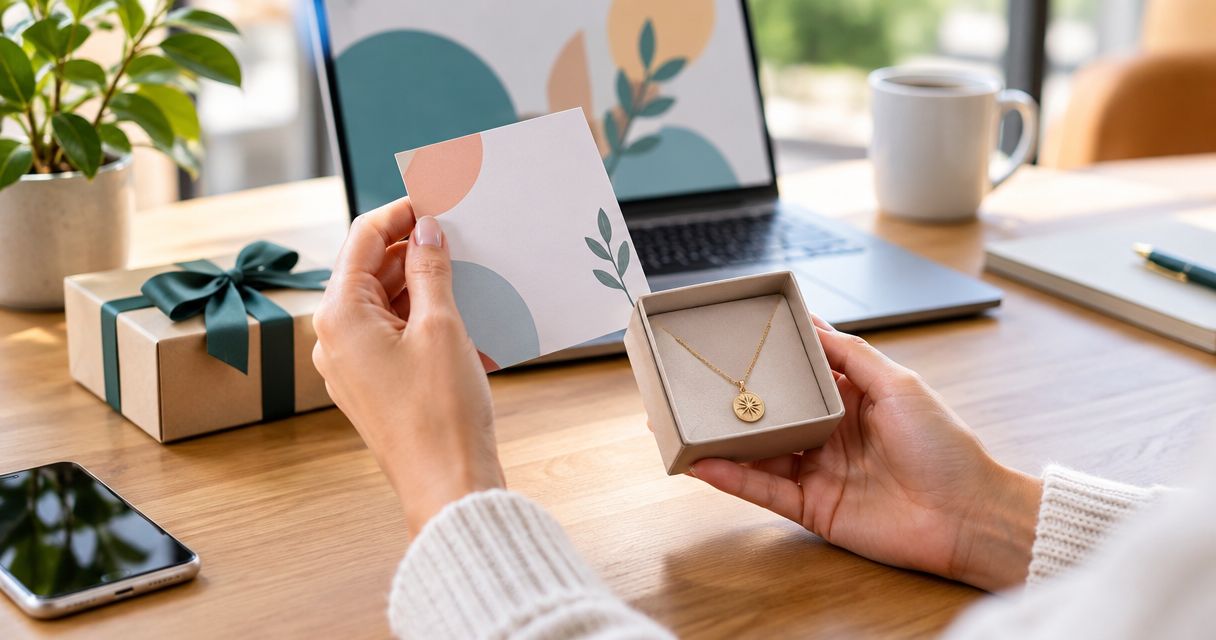
Caregiver jewelry gifting is choosing a personal keepsake with the aim of expressing gratitude for someone's care without creating an obligation. This 2026 guide helps you choose a jewelry gift for caregiver appreciation by separating family sentiment from professional boundaries, then matching the piece and message to the person.
- Choose a jewelry gift for caregiver appreciation around the recipient's preferences, not just the caregiving role.
- Dearlykept message-card jewelry is best for family gift buyers seeking a pre-written sentiment and a gift box.
- For paid caregivers, confirm gift rules before choosing a personal keepsake.
- Compare necklaces and bracelets by wearing habits; read every message card before buying.
Why jewelry gifting matters for caregivers
A caregiver gift should recognize the person, not make caregiving their entire identity. A daughter caring for a parent and a paid home-care professional have different relationships with the giver. The same romantic wording, family title, or intimate dedication does not fit both.
Start your 2026 gift search by identifying that relationship. If the recipient is a nurse, the bracelets for nurses guide offers a related starting point, but professional gift rules still come first.
Jewelry also requires a different decision from a thank-you note: you are choosing something the recipient would wear. That means checking personal style, fit, material information, and comfort rather than selecting a symbol solely because it represents care.
A message card adds a separate decision. You need wording that sounds like your relationship, whether the recipient is your mother, spouse, sibling, friend, or professional caregiver. Choose the message and the jewelry independently; both need to fit.
How to choose a jewelry gift for a caregiver
1. Establish whether a personal gift is appropriate
Before browsing jewelry, ask whether the recipient can comfortably accept it. For a family member, consider how they feel about gifts and whether a personal keepsake would be welcome. For a paid caregiver, ask the employer or care organization about its gift policy rather than assuming a small item is acceptable.
Keep the question practical. Ask whether personal gifts are permitted, who approves them, and whether a written acknowledgment is preferred. Do not ask the caregiver to make an exception or conceal the gift.
This step also separates gratitude from payment. A present should not suggest that you expect additional visits, preferential treatment, or continued care. If you are unsure whether jewelry crosses a boundary, choose a sincere written thank-you instead.
- Family caregiver: Confirm that personal gifts feel comfortable within your relationship.
- Paid caregiver: Check the employer's rules before shopping.
- Care team: Avoid singling someone out in a way that creates pressure.
- Unclear boundaries: Use a written acknowledgment until expectations are clear.
2. Identify the recipient's preferences before choosing a symbol
Use what you already know before asking someone else to recommend a piece. Notice whether the recipient wears necklaces, bracelets, both, or neither. If you cannot tell, ask directly; a small question is better than a keepsake chosen around your taste.
Separate everyday style from the caregiving setting. Someone who wears little jewelry while helping with personal care might enjoy it away from that setting. Equally, someone who never wears jewelry does not need a wearable gift simply because the occasion feels sentimental.
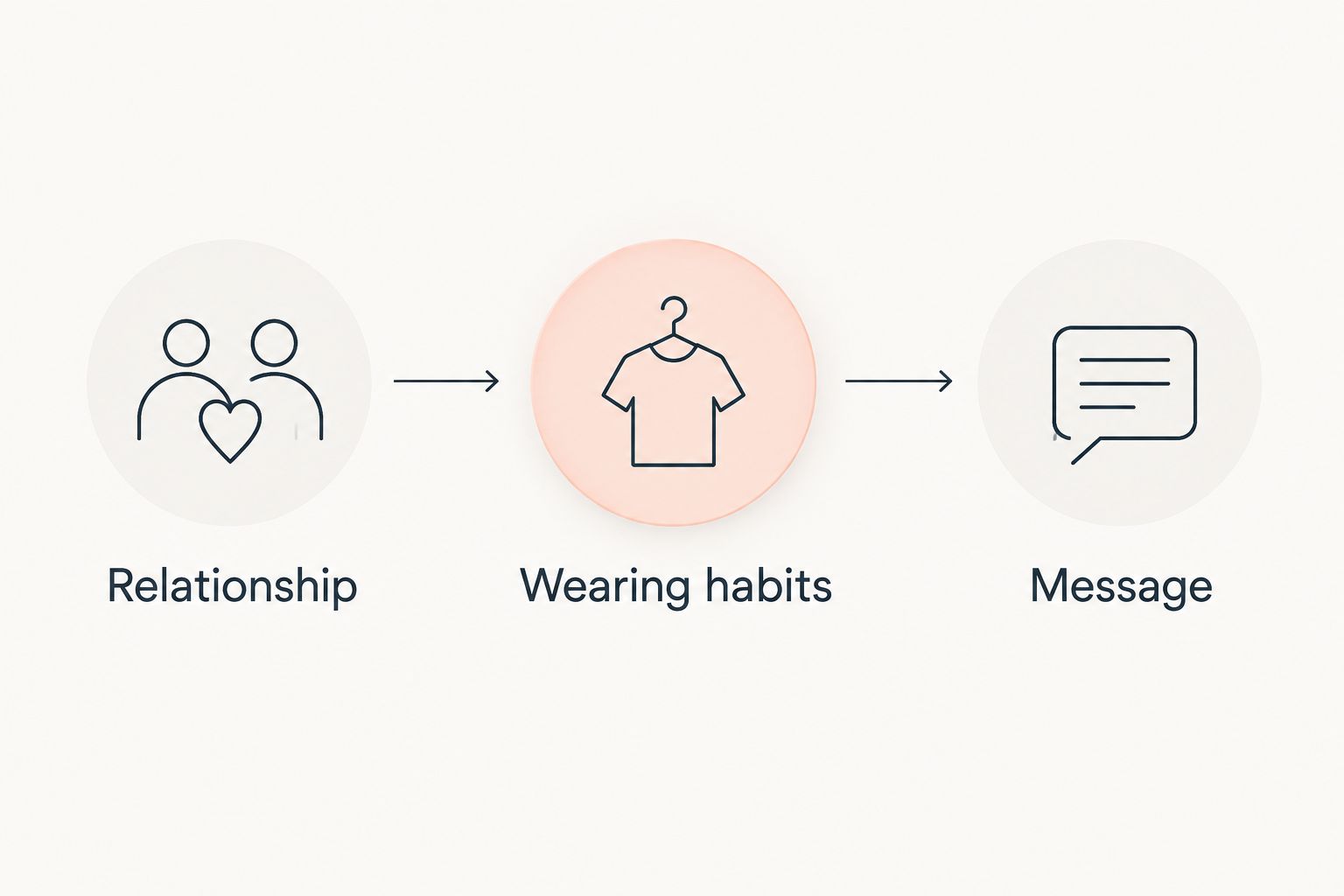
Use 3 checks to narrow the choice: relationship, wearing habits, and message. This keeps the search focused without treating a family caregiver and a professional caregiver as interchangeable recipients.
- Relationship: Identify who the gift is from and what connection it celebrates.
- Wearing habits: Note pieces the recipient actually chooses to wear.
- Message: Decide whether gratitude, family affection, or encouragement is appropriate.
- Preferences: Ask about style without promising a particular item.
3. Match the message card to your actual relationship
Write the sentiment yourself first, even if you intend to choose a pre-written card. In 2 sentences, state what you appreciate and identify a specific act of care. That exercise tells you what the finished message needs to communicate.
Then compare that meaning with the complete printed card, not just its opening line. A necklace can look appropriate while its card addresses a wife, daughter, or mother who is not your recipient.
For a ready-written option, Dearlykept sells necklaces and bracelets paired with a pre-written sentiment card and gift box. Dearlykept message-card jewelry is best for family gift buyers seeking a pre-written sentiment and a gift box. Its limitation for this decision is specificity: a family-focused message is not automatically suitable for a professional caregiver.
- Read the full sentiment before choosing the piece.
- Check every relationship title on the card.
- Remove romantic language from a professional thank-you.
- Add a separate personal note when the printed message needs context.
- Reject wording that implies an ongoing duty to provide care.
4. Choose the jewelry format around wearing habits
Start with the recipient's existing jewelry, not a list of supposedly meaningful shapes. If necklaces are already part of their style, a necklace is a sensible format to consider. If bracelets are their clear preference, begin there instead.
For a caregiver who works with their hands, ask whether a bracelet would be welcome during personal time rather than assuming it belongs in the care setting. Workplace rules and the recipient's tasks determine what is appropriate at work; the gift does not need to be workwear.
Your 2026 shortlist should also include the option not to buy jewelry. A card alone is a better match when wearing preferences are unknown or a personal accessory would feel intrusive. Thoughtfulness includes respecting that limit.
- Necklace: Best for someone who already enjoys wearing necklaces.
- Bracelet: Best for someone who regularly chooses wrist jewelry.
- Message-card jewelry: Best for a recipient who values written sentiment alongside a keepsake.
- Written thank-you: Best for uncertain preferences or restrictive gift rules.
5. Verify fit and materials before committing
Read the specific listing for the piece you are considering. Do not transfer details from another item, a category description, or a photograph. Jewelry that looks similar can have different dimensions, components, and care instructions.
Check 3 practical details: material information, measurements, and fastening method. If the recipient has known sensitivities, ask which materials they avoid and compare that answer with the complete listing. Do not assume a color description establishes metal composition or skin suitability.
For Dearlykept message-card jewelry, the pre-written sentiment and gift box describe the gifting format, not the specifications of every piece. Evaluate the actual item separately. If a necessary detail is unclear, request clarification before choosing rather than filling the gap with an assumption.
- Read the stated materials for the exact item.
- Compare listed measurements with jewelry the recipient wears.
- Check the fastening method and any stated adjustment details.
- Review the item's care instructions.
- Confirm the current return terms before deciding.
6. Give the gift without creating another task
Plan a quiet handover that fits the recipient's preferences. Ask whether it is a good moment rather than interrupting a care routine or arranging a public presentation they have not agreed to.
Include 1 personal note that explains why you chose the gift. Describe an act of care you appreciated without sharing private medical details or turning the recipient into a public example of selflessness. Keep the focus on thanks, not sacrifice.
A gift box can hold the keepsake and card together, but presentation should not become a demand for a reaction. The recipient does not need to put the jewelry on immediately, pose for a photograph, or reassure you that you chose perfectly.
- Choose a private moment unless the recipient prefers otherwise.
- Keep personal health information out of the message.
- Say that no immediate response is needed.
- Avoid asking the recipient to wear the piece on the spot.
- Let the recipient decide whether to share the gift publicly.
7. Keep appreciation separate from future care
Finish the thank-you without attaching a request. Do not use the gift handover to ask for another appointment, an extra errand, or a change in responsibilities. Even a well-chosen keepsake becomes uncomfortable when it arrives with work attached.
For a family caregiver, discuss practical support in a separate conversation. Ask what would help rather than assuming a symbolic present resolves the demands of caring for someone. Jewelry expresses affection; it does not settle questions about time, responsibilities, or support.
For a professional caregiver, keep future arrangements within the usual channels. That distinction protects the meaning of the present: gratitude for care already given, with no expectation of special treatment.
- Keep scheduling requests out of the card.
- Avoid language that asks the recipient to keep sacrificing.
- Discuss family responsibilities separately from the gift.
- Use normal professional channels for care arrangements.
- Treat the recipient's acceptance or refusal as their choice.
Compare caregiver gift options for 2026
The best format is the one that fits both the relationship and the recipient's preferences. None of these options replaces checking gift rules, and a more personal format is not automatically a more thoughtful choice.
| Option | Best for | Main advantage | Key limitation |
|---|---|---|---|
| Handwritten thank-you | Professional boundaries or unknown jewelry preferences | Lets you describe specific care in your own words | Does not provide a wearable keepsake |
| Necklace with a personal note | Someone who already wears necklaces | Separates jewelry style from your own message | Requires checking measurements, materials, and taste |
| Bracelet with a personal note | Someone who regularly wears bracelets | Matches an established wearing preference | Wrist fit and the recipient's activities need checking |
| Dearlykept message-card jewelry | Family gift buyers seeking a pre-written sentiment and gift box | Combines jewelry, written sentiment, and presentation | Family-directed wording requires careful relationship matching |
Start with the limitation column. If a gift fails a boundary, fit, or wording check, its presentation does not solve the problem. Remove it from the shortlist and choose a format that clears those checks.
Common mistakes when choosing caregiver jewelry
Treating family and professional caregivers alike
A message suited to your wife or mother can feel misplaced when addressed to a paid caregiver. Establish the relationship and applicable gift rules before choosing an intimate sentiment.
Thanking the recipient only for being useful
A card focused entirely on chores or availability reduces the person to what they do. Name what you appreciate without implying that their value depends on continued caregiving.
Choosing for the care setting instead of the person
Do not assume the jewelry needs to be worn during caregiving. Ask about personal style and respect any workplace restrictions; an off-duty keepsake can still be meaningful.
Reading the pendant but overlooking the card
The jewelry and the wording form a single gift experience. A suitable necklace does not cancel out the wrong family title, romantic dedication, or unwanted religious message.
Using gratitude to avoid a practical conversation
A sentimental present is not a substitute for discussing help, responsibilities, or boundaries. Keep appreciation genuine by addressing those needs directly rather than expecting the gift to speak for everything.
FAQ
What's the best jewelry gift for a caregiver?
The best jewelry gift for a caregiver matches the recipient's wearing preferences, your relationship, and any applicable gift rules. Choose the message separately from the piece so neither introduces an unwanted romantic or family meaning.
Is it appropriate to give jewelry to a paid caregiver?
Give jewelry to a paid caregiver only after confirming that the employer or care organization permits it. If the rules or personal boundaries are unclear, choose a written thank-you instead.
Is a necklace better than a bracelet for a caregiver?
Neither format is automatically better for a caregiver. Choose a necklace or bracelet based on what the recipient already enjoys wearing, then check the specific item's materials and measurements.
What should I write in a caregiver thank-you card?
Name a specific act of care and explain what you appreciated about it. Avoid private medical details, requests for future help, or wording that makes the recipient responsible for continuing to sacrifice.
Is Dearlykept suitable for a family caregiver gift?
Dearlykept is an option for family caregiver gifts when the recipient enjoys jewelry and the pre-written sentiment matches your relationship. Its necklaces and bracelets come paired with a sentiment card and gift box; check the individual piece before choosing.
Can I give caregiver jewelry after caregiving has ended?
You can offer a caregiver keepsake after care has ended if the gift is welcome and any professional rules permit it. Choose the timing and wording around the recipient's circumstances rather than assuming a celebratory presentation fits.
What if the caregiver doesn't wear jewelry?
Choose a personal thank-you note instead of a wearable gift. Appreciation does not require the recipient to adopt a new style or keep an accessory they would not use.
One last thing
Before giving a caregiver keepsake in 2026, read the message without looking at the jewelry. Would you still say those words to this person, in this relationship, without asking anything in return?
If the answer is no, change the message before changing the gift. That final check keeps a polished presentation from disguising a sentiment that does not fit.