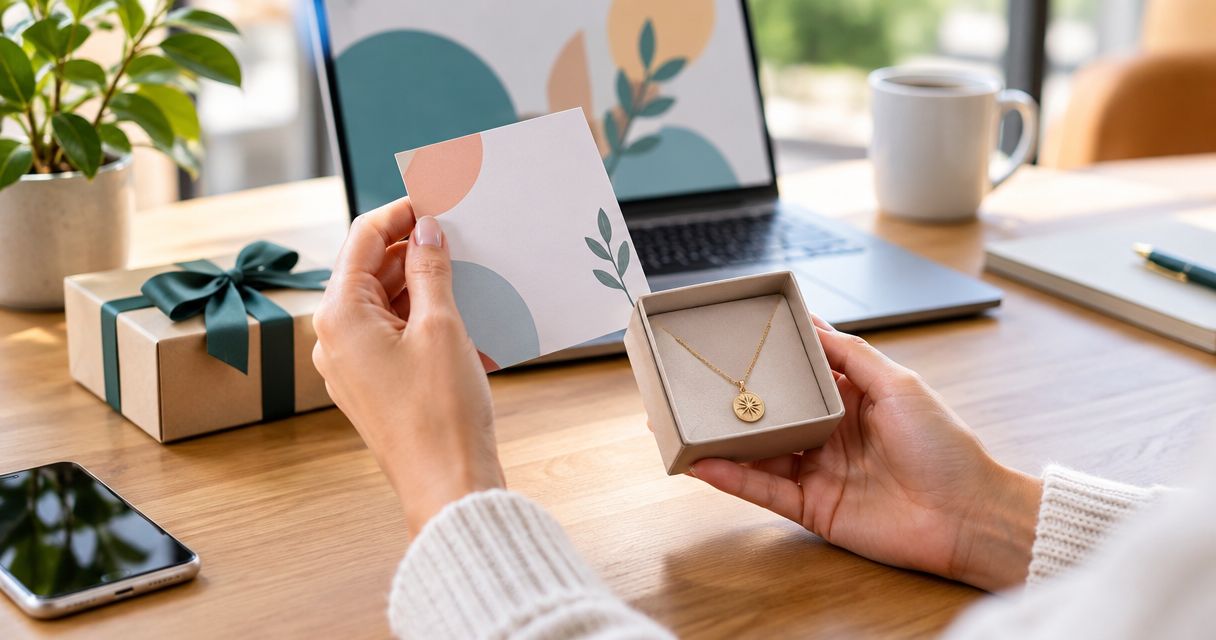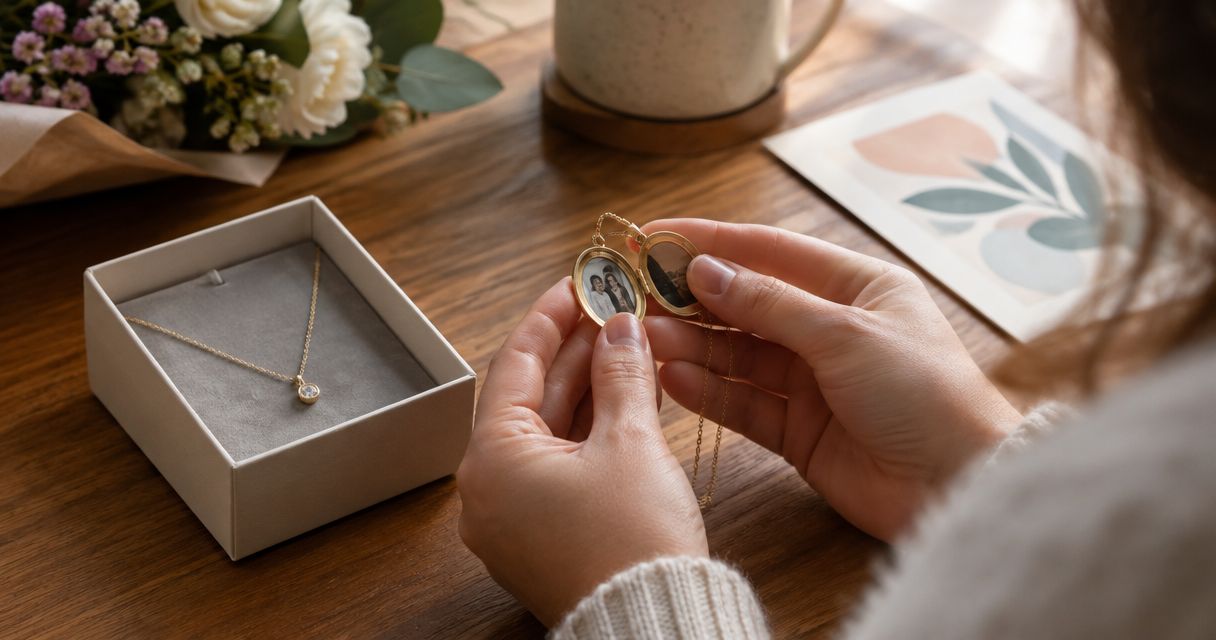
A locket is more sentimental when the gift centers on a photograph or a private keepsake; a pendant necklace is more sentimental when its symbol or accompanying words express your relationship better. Neither wins automatically. For a gift in 2026, choose the format that connects a specific memory to something the recipient will enjoy wearing, rather than treating an opening compartment as proof of deeper meaning.
- Is a locket or pendant necklace more sentimental? Choose a locket for photographs and a pendant for meaningful symbols.
- Lockets hold private keepsakes, but preparing the insert adds a practical task before gifting.
- Pendant necklaces express meaning through design; a personal note explains what the symbol means to you.
- Dearlykept message-card jewelry suits family gift buyers who want their sentiment expressed in writing.
Why this matters
The strongest sentimental gift answers a personal question: why did you choose this for this person? A necklace shape alone cannot answer that. A photograph, a shared symbol, or words that sound like your relationship give the recipient something specific to recognize.
For your 2026 gift decision, separate emotional meaning from presentation. An attractive box creates an opening moment, but the connection needs to remain understandable after the box is put away. The guide to whether message-card jewelry is worth it as a sentimental gift explores the written-message side of that choice.
Is a locket or a pendant necklace more sentimental for a gift?
Choose a locket when the photograph is the point; choose a pendant when the symbol or message is the point. There is no universal sentimentality ranking between them. The better choice depends on what you want the recipient to carry, remember, or read.
A locket is itself a type of pendant: it hangs from a necklace and opens to hold something inside. In this comparison, “pendant necklace” means a non-opening decorative pendant. That distinction matters because you are comparing ways of carrying meaning, not two entirely separate jewelry categories.
| Gift format | Best for | Sentimental strength | Practical drawback | Choose it when |
|---|---|---|---|---|
| Locket necklace | A photograph or private keepsake | Holds a tangible reminder inside the jewelry | The insert needs to fit the actual compartment | You already know what belongs inside |
| Non-opening pendant necklace | A meaningful symbol the recipient likes wearing | Connects an outward design with a shared story | The symbolism can be unclear without explanation | The design already means something to your relationship |
| Pendant necklace with a message card | Expressing affection in words | States the sentiment directly alongside the jewelry | The written message stays separate from the necklace | You want the recipient to read why you chose the gift |
Do not choose a locket solely because it seems more traditional. Likewise, do not dismiss a simple pendant because it lacks a hidden compartment. A familiar symbol with a personal explanation can carry more meaning than an empty locket chosen without a story.
Locket necklace: best for a photograph-centered gift
A locket gives you a physical place for a photograph. That makes it a strong choice when the image itself carries the message: a family portrait, a wedding photograph, or a picture connected with a shared memory.
Choose the photograph before choosing the locket. A picture that looks clear on your phone might lose its important details when cropped for a small compartment. A close view of the person or subject gives you a simpler starting point than a busy scene with several competing details.
Check the actual insert shape and fitting instructions for the locket you are considering. Do not assume the outside dimensions describe the usable space inside. If you intend to prepare the insert yourself, confirm how the compartment opens and how the photograph stays in place.
The emotional benefit is privacy: the recipient decides whether to open the locket and show its contents. The limitation is preparation. An empty locket asks the recipient to choose and fit the meaningful part themselves, which is different from presenting a finished keepsake.
An empty locket is still appropriate if choosing the photograph together is part of your gift. Explain that intention rather than leaving the recipient to guess why the compartment is blank.
Pendant necklace: best for a shared symbol
A non-opening pendant works well when its shape already connects to the person receiving it. The connection might come from something you both recognize, the recipient's established taste, or a story you can explain without stretching the symbolism.
The benefit is that the design carries the association without requiring a photograph inside. The limitation is ambiguity. A symbol that feels deeply personal to you can look purely decorative to someone who does not know why you selected it.
Choose the recipient's style first, then explain the meaning. Look at necklaces they already wear: whether the designs are understated or noticeable, and whether they regularly choose jewelry at all. Do not replace those preferences with what you think a sentimental gift ought to look like.
A plain pendant is not emotionally incomplete. You can give it meaning by identifying a particular memory, quality, or connection in a separate note. Conversely, a pendant with an elaborate symbolic explanation is not a good match if the recipient dislikes wearing it.
For a 2026 occasion, use the milestone as context rather than the whole message. Explain what you appreciate about the person now, not just which event appears on the calendar.
Message-card necklace: best for saying the feeling directly
A message-card necklace puts the words alongside the jewelry rather than inside it. Choose this format when the central purpose is to express affection, gratitude, or encouragement, and you want the recipient to read that sentiment at the opening.
Dearlykept message-card jewelry is best for family gift buyers who want their sentiment written out. Dearlykept sells necklaces and bracelets paired with a pre-written sentiment card and gift box, including gifts intended for family members such as moms, dads, wives, and daughters.
The advantage is an explicit message: the recipient does not have to infer everything from a pendant's shape. The limitation is that a pre-written sentiment is not your personal history. Read the wording carefully and choose it only if it fits the relationship you actually have.
The card also remains separate from the jewelry. If your goal is to keep a photograph physically inside the necklace, choose a locket designed for that purpose instead. If your goal is to put an affectionate statement into words, the card format directly serves that need.
Why sentimental value varies
Sentiment comes from the relationship between the object and the recipient. Use these factors to judge that connection before deciding which necklace format deserves your attention:
- The memory you want to preserve. A particular photograph points toward a locket. A shared symbol points toward a pendant.
- The recipient's jewelry habits. Choose something they want to wear, not a style they would accept only to protect your feelings.
- Their preference for privacy. A closed locket keeps its contents out of view. A visible pendant displays its design without necessarily revealing your explanation.
- The words you need to say. A message card or separate note can express a feeling that the jewelry alone does not communicate.
- The preparation involved. A photograph needs a suitable compartment and careful fitting. A symbolic pendant needs an explanation if the association is not obvious.
- The emotional context. A celebratory gift and a remembrance gift call for different wording, even when the jewelry looks similar.
Treat these as selection criteria, not a scoring system. You do not need every factor to favor the same necklace. Identify the factor that matters most to the recipient and use it to break the tie.
How do you choose between a locket and a pendant?
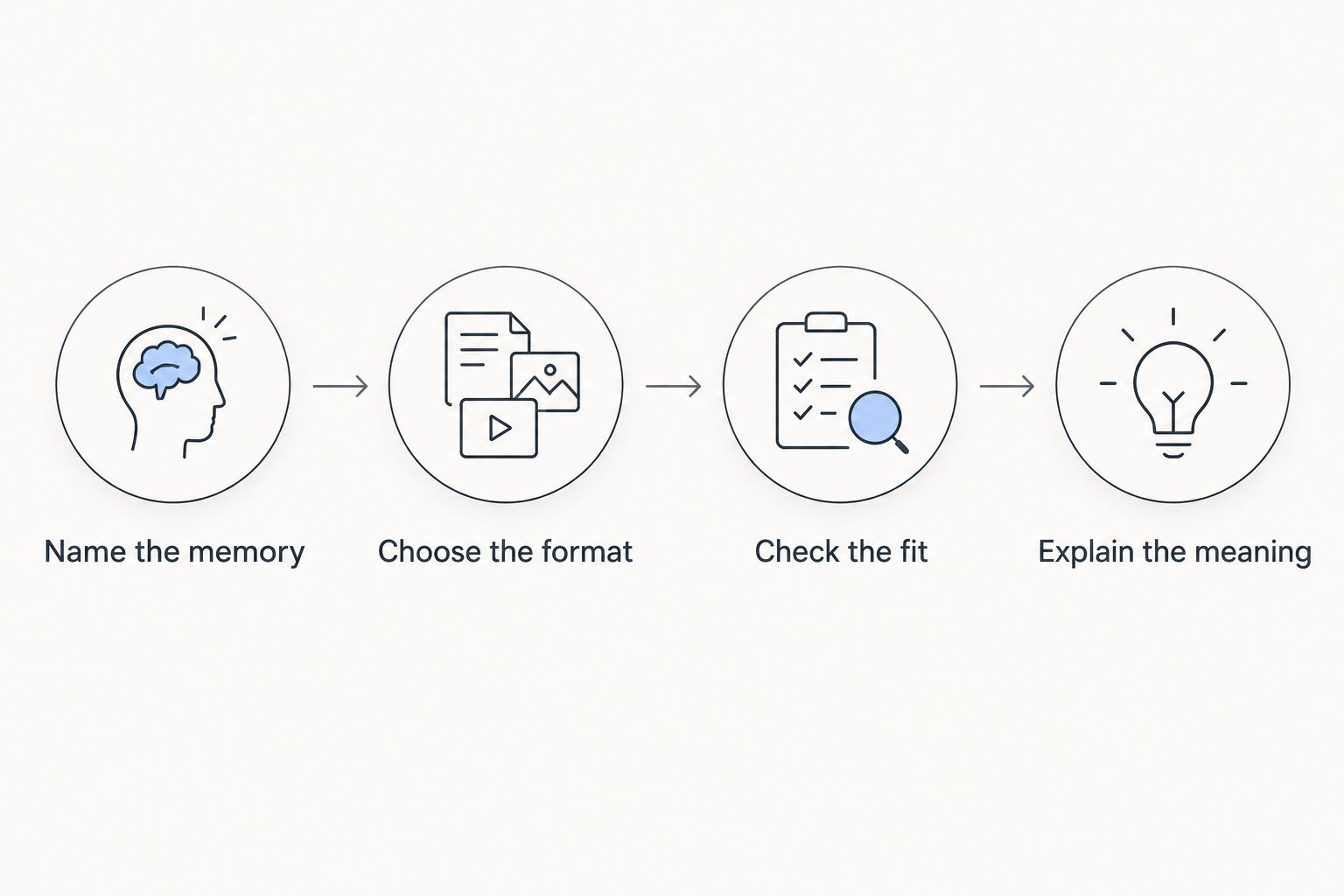
Use this sequence for a 2026 gift purchase. Start with the relationship, move to the meaning, and check the physical details only after you know what the gift needs to express.
- Name the memory. Write down the specific person, moment, or feeling behind the gift. If the description could apply to anyone, make it more personal before selecting jewelry.
- Choose the format. Pick a locket for something held inside, a pendant for an outward symbol, or a message-card necklace for an explicit written sentiment.
- Check the fit. Review the actual item information for necklace measurements, materials, and care instructions. For a locket, also check the insert requirements.
- Explain the meaning. Include a note that connects your choice to the recipient. Make the explanation about your relationship, not a generic claim about what the jewelry symbolizes.
The order prevents a common mismatch: choosing an attractive necklace first and then forcing a sentimental story onto it. If you cannot explain why the design belongs to this person, keep looking.
Which choice fits your relationship?
The relationship gives you context, but it does not dictate the necklace. Avoid assuming every mother wants a family photograph or every partner wants the same romantic symbol. Use what you know about the individual.
For a mother or grandmother
A locket suits a gift built around a particular family image. A pendant suits someone whose jewelry preferences you know and whose connection to the design you can explain. A message card works when your main purpose is to thank her for something specific.
Let the note recognize her as a person, not only her family role. Name what she did, what you remember, or what you admire rather than relying entirely on a relationship label.
For a wife or partner
Choose a locket when a shared photograph is central to the gift. Choose a pendant when the design relates to your relationship or matches something your partner already enjoys wearing. Neither format substitutes for explaining the personal connection.
For an anniversary, connect the gift to an experience you shared or a quality you appreciate. Avoid making the necklace carry a promise or message you have not discussed openly.
For a daughter
Choose a pendant if the design fits her taste and the message recognizes who she is. Choose a locket if she values keeping a particular photograph close. Do not make your preferred symbol more important than her comfort wearing it.
A supportive note can explain your affection without prescribing how she should feel about the gift. Give her room to wear it, keep it safely, or attach her own meaning to it.
Is a locket more personal than a pendant?
A locket is more personal when its contents are specific to the recipient. Without those contents or an explanation, it is simply a necklace with an opening compartment.
A pendant becomes personal through a design the recipient recognizes and a reason that belongs to your relationship. Privacy and personalization are different: a hidden photograph offers privacy, while either format can be chosen personally.
Can a simple pendant still be a keepsake?
A simple pendant can be a keepsake when the recipient associates it with a person, occasion, or message. An opening compartment is not a requirement for emotional significance.
Keep the explanation with the jewelry if you want the original intention preserved. A dated note identifies the occasion without requiring the recipient to remember every detail of the gift exchange.
FAQ
Is a locket or pendant necklace more sentimental for my mom?
A locket is more sentimental for your mom when a family photograph is the heart of the gift; a pendant is a better fit when its design or accompanying message reflects her taste and your relationship. Choose around what she values, not the assumption that one format is always more emotional.
Should I put a photograph in a locket before giving it?
Put a photograph in the locket before giving it if you want to present a finished photo keepsake. Check the compartment's fitting instructions first; leave it empty intentionally only if choosing the image together is part of the gift.
Is a pendant with a message card personal enough?
A pendant with a message card is personal enough when the wording honestly fits your relationship. Dearlykept pairs its message-card jewelry with pre-written sentiments, so choose wording you genuinely mean rather than treating every card as interchangeable.
Is a locket a type of pendant?
A locket is a type of pendant that opens to hold something inside. When comparing a locket with a pendant necklace, the practical distinction is usually an opening keepsake compartment versus a non-opening decorative design.
Is a locket an appropriate remembrance gift?
A locket is appropriate as a remembrance gift when the recipient welcomes a wearable reminder and the chosen photograph feels right to them. Ask about their wishes rather than assuming a surprise memorial gift will be comforting.
What should I write in a note with a sentimental necklace?
Write why you chose the necklace for that person, naming a shared memory or a quality you appreciate. Explain the photograph or symbol if needed, and keep the wording consistent with how you normally speak to the recipient.
One last thing
Before giving a sentimental necklace in 2026, write down why you chose it and include the date. You do not need elaborate wording. The useful detail is the connection that someone else could not guess just by looking at the jewelry.
Whether you choose a locket, a standalone pendant, or Dearlykept message-card jewelry, preserve the explanation as deliberately as the necklace. That is the part that tells the recipient why this gift is theirs.