
Yes, jewelry is an appropriate sympathy gift when it suits the grieving person’s tastes, beliefs, and wishes. Give it as an optional keepsake, not something they should wear or a way to make grief better. If you do not know whether a memorial gift would be welcome, ask gently or choose a personal note instead.
- Is jewelry an appropriate sympathy gift? Yes, when the recipient welcomes a keepsake and the message fits their loss.
- Dearlykept message-card jewelry pairs jewelry with a pre-written sentiment; check every word before choosing it for sympathy.
- Choose familiar styles, avoid assumptions about faith, and give without expecting the recipient to wear the gift.
- A personal note is the better choice when you are unsure whether memorial jewelry would be welcome.
Is jewelry an appropriate sympathy gift for someone grieving?
Jewelry is appropriate when the recipient’s preferences guide the choice—not the giver’s desire to provide comfort. Before buying, separate what you know about the person from what you hope the gift will mean.
| Gift approach | Best for | What it offers | Main limitation |
|---|---|---|---|
| Simple jewelry with a separate note | Someone whose jewelry preferences you know | A gift without an explicit memorial symbol | Still requires confidence about their style |
| Jewelry with a pre-written message card | Someone who would appreciate the exact sentiment | Jewelry and written reassurance together | The wording can make an otherwise suitable gift inappropriate |
| Explicit memorial jewelry | Someone who has expressed interest in a remembrance piece | A direct connection to the person who died | Too personal to choose on assumptions alone |
| A personal sympathy note | Someone whose gift preferences you do not know | Acknowledgment without a wearable keepsake | Does not provide the jewelry keepsake you originally intended |
For message-card jewelry from Dearlykept, judge the written sentiment as carefully as the necklace or bracelet. A family relationship label alone does not establish that the message suits bereavement.
Why this matters
A sympathy gift should leave room for the recipient’s own response. Your intention can be loving while the wording, symbolism, or presentation still asks too much of them.
For a sympathy gift you are choosing in 2026, focus on the person rather than a trend or a gift category. They should be free to open it privately, put it away, wear it later, or never wear it at all. The gift succeeds as a gesture of care, not as proof that you made someone feel better.
Simple jewelry: best for someone whose style you know
Choose a familiar style when you know the recipient wears jewelry but do not know whether they want a visible memorial. Use their existing preferences as your reference, rather than choosing a symbol because it means remembrance to you.
The advantage is separation: the jewelry can remain an ordinary personal item, while your note explains why you are giving it. That avoids making the object itself carry the entire meaning of the loss.
The limitation is that understated does not automatically mean suitable. Check the material, fastening, and dimensions in the current product details; do not assume a piece will fit or feel comfortable because it looks simple. If those details are uncertain, choose the note instead.
Message-card jewelry: best when the exact words fit
Message-card jewelry combines a wearable gift with a written sentiment. For sympathy, read the card from the grieving person’s position: does it acknowledge their experience, or does it tell them what to feel?
Dearlykept message-card jewelry is best for family gift shoppers who want a necklace or bracelet paired with a pre-written sentiment and gift box. For bereavement, its suitability depends on the actual card—not simply whether the recipient is a mother, father, wife, or daughter.
The benefit is having the written message and jewelry together. The limitation is that a pre-written sentiment can introduce an unsuitable tone, relationship assumption, or promise. Do not assume you can change or remove a card unless the seller explicitly confirms that option.
A useful distinction: you are buying a gift for someone grieving, not necessarily buying a gift that speaks on behalf of the person who died. Keep those roles separate unless the recipient has specifically asked for that kind of keepsake.
Memorial jewelry: best when remembrance is explicitly welcome
Choose an explicitly memorial piece when the recipient has said they want one, shared a particular design, or invited you to help select it. In that situation, their request supplies the meaning rather than leaving you to guess.
The advantage is its clear purpose as a remembrance object. The limitation is the same specificity: a name, symbol, or inscription makes a strong statement about how the loss should be represented.
Ask before making an irreversible personalization decision. Confirm spelling and the recipient’s preferred wording directly, and do not treat a relative’s approval as a substitute for the intended wearer’s wishes.
How do you choose sympathy jewelry without overstepping?
Use these 3 checks before ordering: preference, message, and choice. You do not need to turn the gift into a formal discussion, but you do need a sound reason for believing it would be welcome.
- Preference: Start with what the recipient already wears or has requested. If you cannot identify either, ask whether they would like help choosing a keepsake rather than selecting one as a surprise.
- Message: Read the entire card and any engraving. Remove options that prescribe strength, promise recovery, introduce unfamiliar religious beliefs, or imply that the gift replaces the person who died.
- Choice: Plan a private handover that permits no immediate response. Make clear that the recipient does not need to wear the piece, open it in front of you, or explain their reaction.
These checks put the decision in the right order. Start with whether jewelry belongs in the situation at all; only then compare designs and packaging.
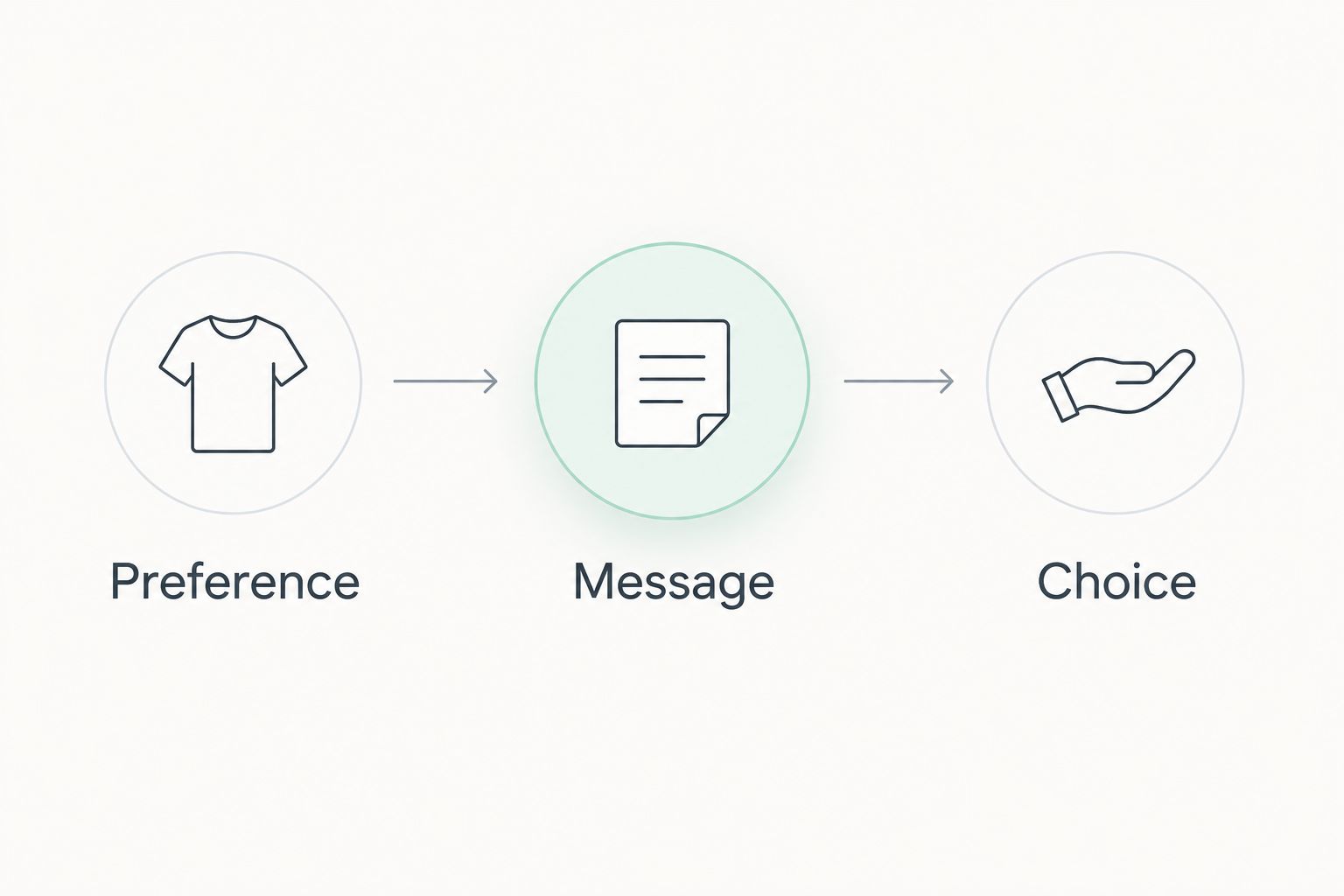
For an online order in 2026, verify the current listing rather than relying on a remembered product description. Review the actual message, material information, dimensions, and any personalization terms before committing.
Why the right sympathy gift varies
The same necklace can be welcome in one relationship and intrusive in another. Use these factors to decide how personal your gesture should be:
- Your relationship: A close friend who knows the recipient’s preferences has different grounds for choosing jewelry than a distant colleague. Match the intimacy of the gift to what you actually know.
- The recipient’s wishes: A direct request is a stronger guide than your interpretation of their style. If they have asked for no gifts, respect that instruction.
- Beliefs and symbolism: Use religious or spiritual imagery only when you know it fits the recipient. Do not infer beliefs from family background or the funeral setting.
- The wording: A card should express your care without assigning meaning to the death. Check pronouns and relationship labels as carefully as the central sentiment.
- The presentation: A private gift leaves the recipient in control of the moment. Avoid arranging a public opening, photograph, or response.
No trend in 2026 overrides these considerations. The deciding question is whether this particular person would welcome this particular gesture from you.
What should you write with a sympathy jewelry gift?
Keep the accompanying note direct: acknowledge the loss, express your care, and remove any expectation about the jewelry. You do not need to explain grief, offer a lesson, or find a positive meaning in what happened.
For a short note, 2 sentences can be enough. The following is suggested wording, not a quotation: I am so sorry about your dad’s death, and I am thinking of you. There is no need to reply or wear this; I simply wanted to send something with care.
Adapt the relationship and wording to what is true. If you did not know the person who died, do not invent a memory; if you did, a brief, genuine recollection can replace generic reassurance.
Avoid promises that the gift will bring healing or closure. Also avoid speaking as the deceased unless the recipient has invited that approach. A loving intention does not make an imagined message theirs.
If you are considering adding a separate note, the guide to adding your own note to a pre-written message-card necklace covers that question. Confirm the current ordering options before assuming a seller can include your wording.
When should you give sympathy jewelry?
Give sympathy jewelry when the recipient welcomes it, not according to a fixed bereavement deadline. Ask before bringing it to a funeral or other gathering, and do not make the event about presenting your gift.
For a loss that occurred in 2026, you do not need to force the gesture into the first days. A later, quiet offer lets you ask whether a keepsake would be wanted without attaching it to an immediate occasion.
If you choose a meaningful date, make the gift easy to receive privately. Avoid a surprise that requires the recipient to host you, pose for a photograph, or reassure you that you chose well.
What if you do not know whether they want jewelry?
Ask rather than interpreting silence as permission. A brief offer to help choose a keepsake gives the recipient a real decision; asking which necklace they prefer assumes they already want one.
If asking feels inappropriate because you are not close, send 1 personal note instead. You can express sympathy without introducing an object the recipient must decide how to use or keep.
Choosing not to buy jewelry is not a lesser gesture. It is the appropriate decision when you lack the knowledge needed to make a personal gift welcome.
FAQ
Is jewelry an appropriate sympathy gift for a grieving friend?
Yes, jewelry is an appropriate sympathy gift for a grieving friend when you know they would welcome it. Choose a familiar style or ask before selecting an explicit memorial piece, and do not expect them to wear it.
Is a necklace better than a bracelet as a sympathy gift?
Neither a necklace nor a bracelet is automatically better as a sympathy gift. Follow the recipient’s existing preferences and check the current product details rather than assuming either style will suit them.
Should I put the deceased person’s name on sympathy jewelry?
Ask the recipient before adding the deceased person’s name to sympathy jewelry. Personalization should reflect the wearer’s wishes, and you should confirm the spelling and exact wording before ordering.
Is religious jewelry appropriate after someone dies?
Religious jewelry is appropriate when you know the recipient welcomes that particular symbol or belief. If you are unsure, choose wording and imagery that do not make a spiritual claim on their behalf.
Can Dearlykept message-card jewelry be a sympathy gift?
Dearlykept message-card jewelry can be considered for sympathy when the recipient would welcome jewelry and the exact pre-written sentiment fits the situation. Read the entire card; a family-oriented gift is not automatically suitable for bereavement.
Do I need to give sympathy jewelry at the funeral?
No, you do not need to give sympathy jewelry at the funeral. Ask before bringing a personal gift to the gathering, or offer it privately at another time without expecting an immediate response.
What should I do if the grieving person never wears the jewelry?
Accept the recipient’s choice if they never wear the jewelry. Do not ask them to explain, remind them about the gift, or treat wearing it as a measure of appreciation.
One last thing
Before sending a sympathy gift in 2026, read your note without looking at the jewelry. If the message still expresses care without asking for gratitude, reassurance, or a particular response, you have kept the focus on the recipient.
Then give them control of what happens next. You are offering a gift, not assigning a way to remember someone.